While walking the aisles of the summer Outdoor Retailer show last July, something caught our attention: part alien lander, part modern prefab home, and part standup paddleboard. We made a brisk beeline for this magical structure and asked, “So what exactly is this thing?”
Team Acacia was coming out of stealth mode and was about to drop their first round of tent systems after running a successful Indieagogo campaign for Space Acacia and the larger Space Acacia XL tent systems. Upon getting a closer look, we were immediately reminded of the Shiftpod, a similar type of tent for people seeking a more robust and comfortable structure when camping. And that time, we threw the world’s smallest music festival in our backyard during the pandemic.
Who is this tent for?
The Space Acacia is for anyone who wants to elevate their camping experience and make it more comfortable. The setup time is relatively short, there is no need to worry about clearing out every spec of debris under the tent, and the construction will stand up to most weather conditions with the Canopy. Best for Music festival campers, glampers, weekend warriors, or those wanting to set up basecamp in the woods for a week or two.
Things to consider before buying:
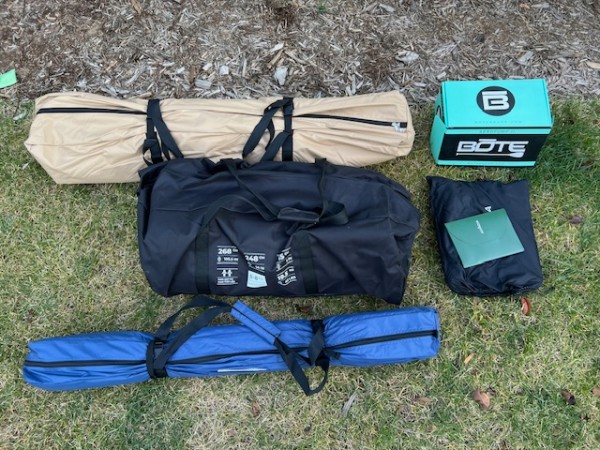
- This tent is heavy and takes up more space than a traditional tent; basically, it’s like taking a stand-up paddleboard with you on your trip. So, if you have a smaller car, consider a roof basket to strap topside.
- The Space Acacia is an investment; it comes in at around a grand for all the components, so it might be overkill if you are camping a little.
- If you are camping with more than yourself and one other person, it’s probably a good idea to just get the XL, as it will give you more options in the long run.
- The Space Acacia tent system consists of three parts: the tent, the floor, and the canopy. These components are available separately or as a bundle, but we are still determining why anyone would want to skip any of them, as they are all super important.
- Make sure to have a pump, or buy their pump as manually this would take you closer to 30-40 minutes of serious pumping. You should also consider the lighting and power components listed below, as they can power your pump and other basic creature comforts, like griddles, etc.
Here is a quick breakdown of the components:
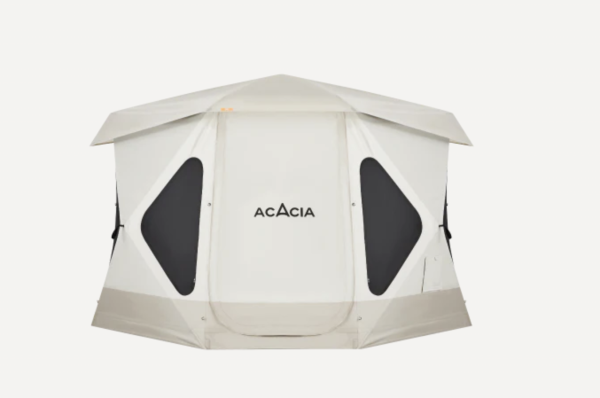
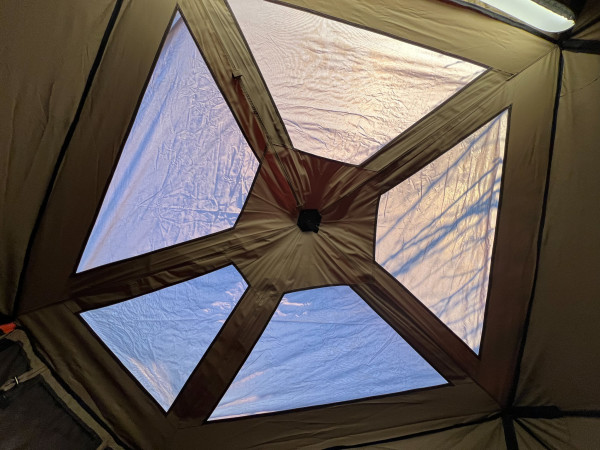
Tent – The tent structure is very similar to the Shiftpod tent in that it has a frame that snaps in place quickly and provides enough rigidity to withstand 40-45 mph winds. The tent also features eight side and four overhead mesh windows for excellent airflow and fantastic stargazing. The fabric is roughly 2x as thick as most tents, made from Oxford 300D material that is easy to clean and waterproof. Lastly, the tent is flame resistant with a rating of CPAI-84, so if your campfire sparks up a bit, your tent can fend it off. The tent does include a zip-in floor, so it can be used as a stand-alone tent without the floor component
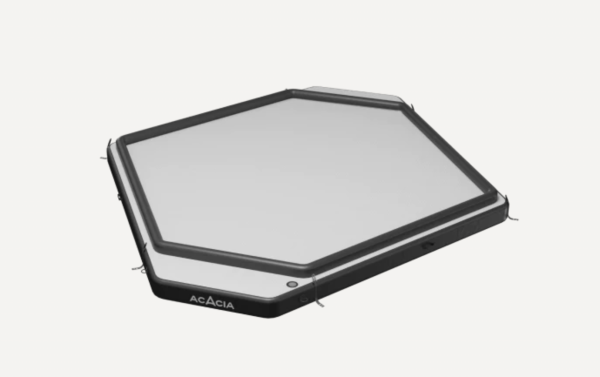
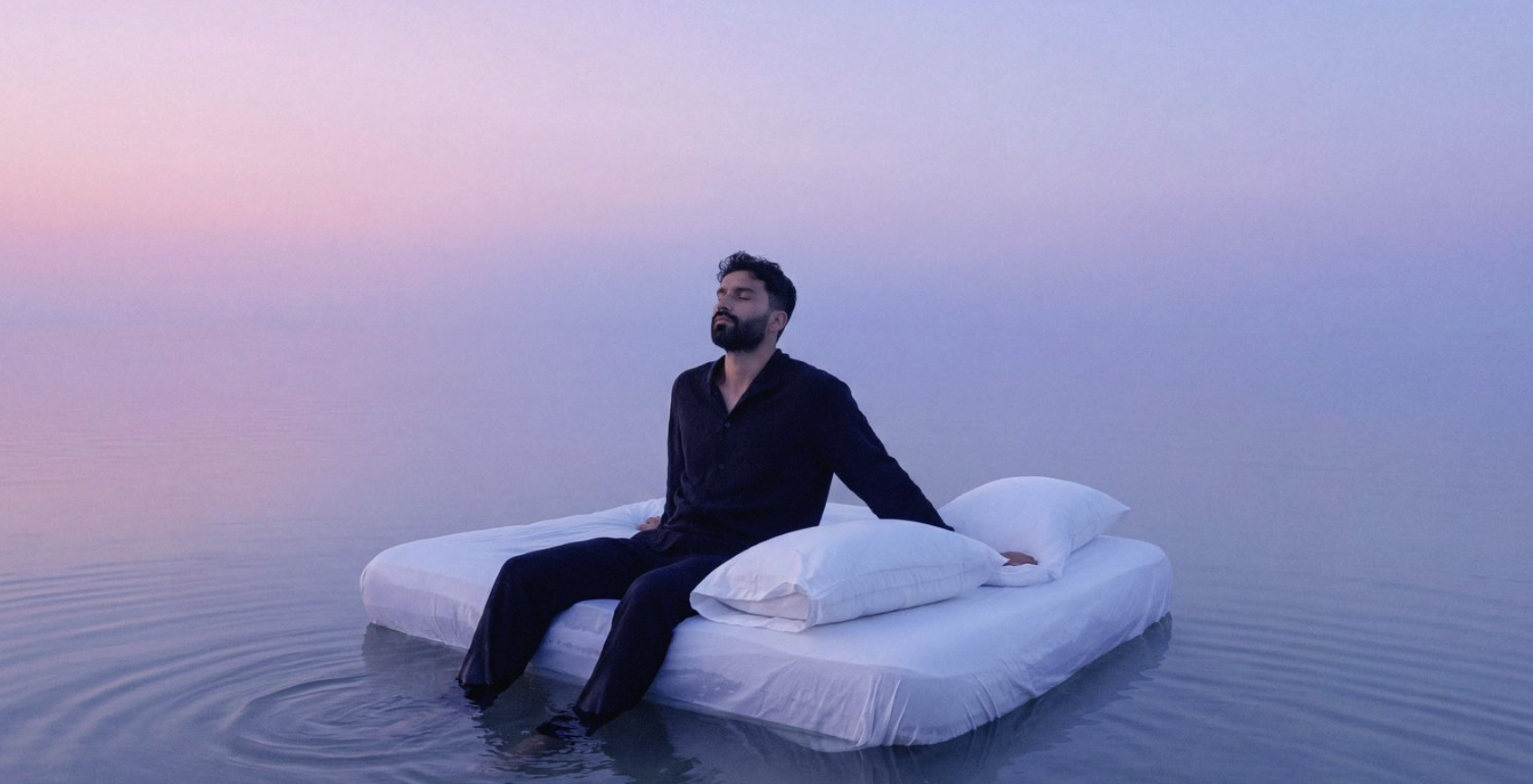
Floor – The tent sits on a six-inch inflated platform, essentially the same material and thickness as a high-quality inflatable standup paddleboard. The floor inflates in about fifteen minutes, providing a comfortable surface that insulates and protects the inhabitants. We’ve seen pictures of the floor/tent floating out in a lake, so yes, you can make a tent boat, although it’s not something we would recommend for safety reasons. The floor without the tent on it would make for a fun little floating island, though, so there are some ways to use it without the tent attached.
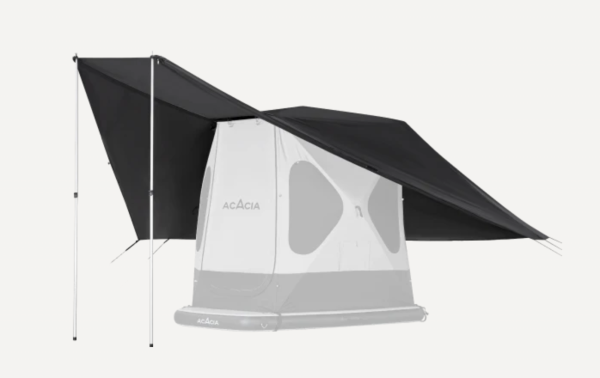
Canopy – This piece is a rainfly and an annex all rolled into one with the ability to help regulate the temperature in the tent via airflow and provide more usable camping space. You can set it up to provide some extra-shady space with the rain cover or batten it down to keep the tent warmer in colder weather.

Overview Video:
Tent Set Up:
The tent overall was relatively easy and quick to set up with the pump, and the longest stretch was inflating the floor, which took about 15-20 minutes. The tent snaps into place with its internal support braces, and the canopy can be easily dialed in depending on weather conditions. The floor of the tent comes out, and can be stowed in the tent’s carrying bag, and you have the optional rain fly and extra guy lines to stabilize the tent, which we highly recommend no matter how nice the weather. You can have a kick-ass basecamp in about 30-45 minutes if you hustle.
Tent Break Down:
Before beginning your breakdown, it’s vital to get all your storage bags laid out and open; this will help speed up the process quite a bit. The most important thing to remember is to get the folding right, as what was tightly packed out of the box will not happen the second time around, so it might take some practice to get the proper orientation. The tent portion detaches from the floor quickly, and if you set up guy lines and the rainfly, give yourself some extra time to pack that up as well.
We recommend using a pump to deflate the tent’s floor; this will help you get out all the air and fold it up more easily. Out of all the components, this one is the hardest to pack up properly. It will take a few practice runs before you get it to fit back in the bag.
Protip – Before stowing your tent components, make sure they are dry. It’s also a good idea to wipe down the floor before folding it up, as it will collect some dirt and grime.
Summary
Our initial reaction was very positive after testing this tent in our backyard for a few days. The tent is comfortable enough for three people if you don’t have a ton of stuff, and set-up is relatively easy after a few run-throughs. There is an XL model as well if you want more space, but that comes with more weight and a larger footprint. The Space Acacia is technically a four-season tent. Still, if you were facing temps below freezing, you should bring a portable electric heater and power source to make things a bit more comfortable.
Pros:
The build quality and materials are top-notch, so this tent should last you for years of regular use.
It’s versatile and can set-up in most environments and weather for long or short-haul camping trips.
You get a bit of a glamping feel with the inflated floor that protects you from rocks, cold ground, and moisture.
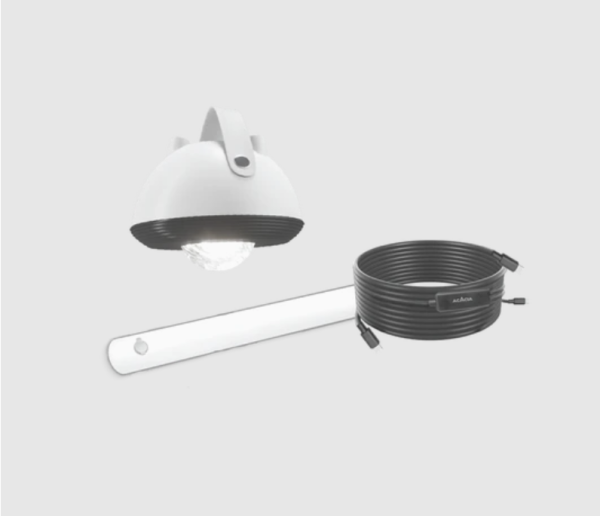
The accessories they offer are a nice touch, the LCD lighting system, solar panels and portable battery are a must for longer trips
Cons:
The three tent components take up a decent footprint in your rig and are a bit heavy, so you need to have one of those camping wagons to avoid going too far past your car. If you have a roof rack, this tent system belongs up there with your cooler.
Stay tuned for or second installment of the Space Acacia sometime Spring 2024. To learn more or purchase your own, visit https://theacacia.com/
Accessories:
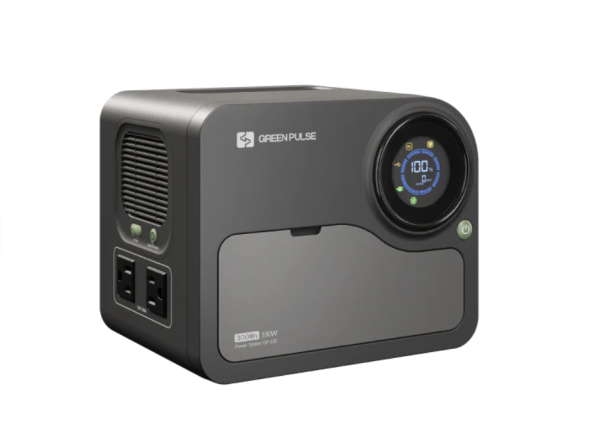
Features:
- 299.7Wh capacity and 330W output
- Fully charges to 100% in just 2.5 hours
- Powers 8 devices simultaneously
- Ultra-lightweight at 6.8 lbs
- 3 ways to charge (AC/Solar/Car)
- Reliable Lithium-ion battery life of over 10 years
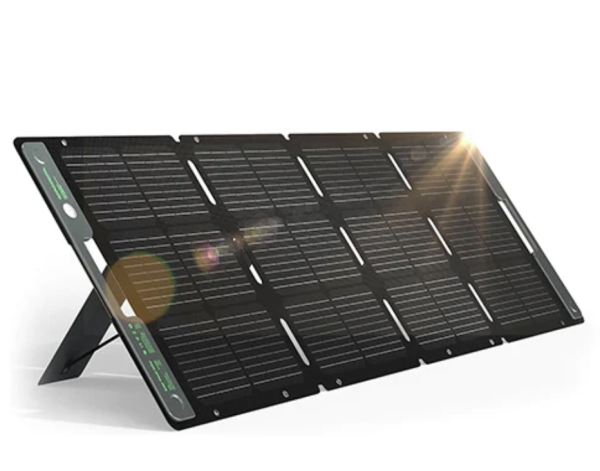
Features:
- 23% Solar Conversion Efficiency
- IP67 Waterproof Rating
- Light and Foldable Design

David Ireland is a professional strategist, creative, and marketer. He began his career in 1995 as creator and publisher of BPM Magazine. In August 2000, BPM Magazine merged with djmixed.com LLC, an online media company based in Los Angeles, which later evolved into the Overamerica Media Group [OMG] in 2003. In 2009, Ireland left Overamerica Media Group to serve as the VP of Marketing at Diesel. In 2011, he returned to his roots in media and cofounded the online electronic music publication Magnetic Magazine and created The Magnetic Agency Group. In June 2018, Ireland joined Winter Music Conference (now owned by Ultra Music Festival) as the Director to lead the reboot for 2019 and usher in a new era for the iconic brand. He served as Chief Marketing Officer at Victrola for three years, guiding product innovation and brand growth. He currently serves on the advisory board of Audiopool, a new music tech startup focused on AI-generated music licensing and artist revenue models.