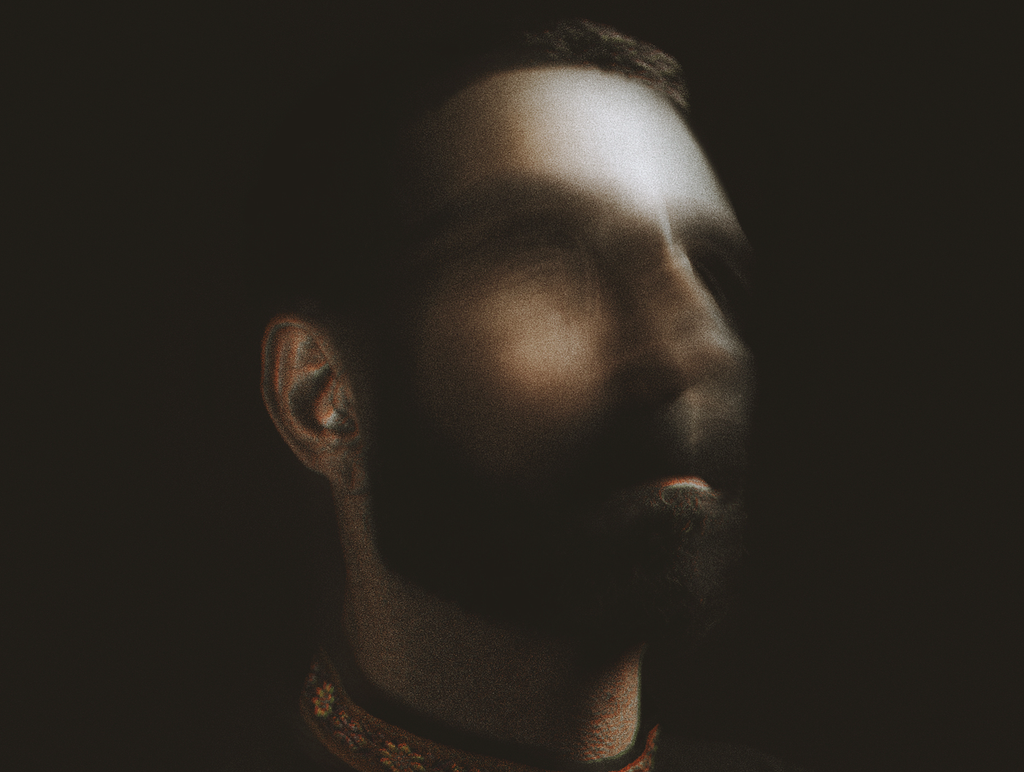
In a world where the lines between art and science increasingly blur, the power of music as a transformative medium takes center stage. When an acclaimed DJ, music producer and qualified sound therapist like Paul Nolan leans into the intrinsic relationship between sound and the human psyche, the result is nothing short of revolutionary.
The debut of Microdose Music, the world’s first record label designed to enhance psychedelic therapy and promote mental well-being, marks a pivotal moment for the music industry and the expanding field of therapeutic intervention. From the Wonderland conference, where the idea was born, to its applications in FDA clinical trials, Microdose Music is redefining what it means for music to be “functional.”
With the release of his latest album, “Dissolve” on popular streaming platforms, Nolan is set to captivate minds and heal souls. Far from being just another collection of tracks, “Dissolve” is an autobiographical journey through sound—an exploration of trauma, healing, and the ethereal beauty of transformation. Weaving audio engineering with the nuanced techniques of sound therapy, Nolan delivers a multi-layered experience to elevate consciousness and facilitate deep, personal introspection. This album invites listeners to “dissolve” the barriers of ego and step into the truth of their being.
Support The Album On Bandcamp Here
How would you define music as a transformative medium?
This is a profound question. I could talk about this for hours.
Put, music IS a transformative medium!
Music and sound can be used in a myriad of ways.
Think about how sound is used in the real world to help transform our reality – everything from the most straightforward sound to tell you there is someone at the door to the sirens of a fire engine telling you to get out of the way so it can help save someone’s life…to the sound of a newborn baby crying for the first time as they enter the world.
On a much deeper, more fundamental level, sound can be used to treat muscular and physical conditions and transform ourselves in the form of emotional breakthroughs, letting go of trauma… knowing all the stuff we don’t have the science to explain yet. Still, we know on some level, it works.
When sound has an intention placed into it, it can be deeply healing.
Sound + Intention = Music
When we become aware of this, the positive impact we can have on the world with music is exponentially multiplied.
What role does music play in influencing our mental and emotional well-being?

Huge. Massive. It’s so fundamental to the human experience that it has become almost invisible. I will include sound in this answer, as it’ll help explain how both can be used positively and negatively.
Sound is how our nervous systems interact with the world and understand our human bodies’ situation. Are we safe? Are we in danger? This allows the nervous system to regulate appropriately.
The nervous system has two main modes of operation – sympathetic (fight, flight, freeze) and parasympathetic (rest, digest, relax). The environmental stimuli help determine which of these modes are required. However, we can get stuck in the sympathetic, fight-or-flight mode due to trauma, previous life experience, and even poor nutrition, fitness, and flexibility.
Think about how you feel when you hear a loud, unexpected bang or if you’re trying to sleep when you’re next to a busy road or an alarm goes off. These are dysregulating sounds, serve to unground us, and are, of course, unsettling.
Now, let’s think about sounds that signal safety – the sound of water softly running through a stream, the rustle of trees and birdsong in the forest, soft rain on a cool afternoon against the terrace of a log cabin, deep in the wilderness of nature. Reading these words might produce a more relaxed, centered, grounded response. These sounds return us to our default state and activate the rest, digest, relax, and parasympathetic response.
Music can do the same thing. Harmonious, delicate, subtle sounds, like those heard in ambient music or maybe in Organic House in electronic music, can serve to regulate us, and connect us to emotions.
How important is the listeners’ openness and receptivity to the transformative power of music?
It can be essential. It’s like anything in life: if you’re cynical, then you’re never surprised, never disappointed, and never liberated. If you’re open to a new experience, unexpected, surprising, delightful things can happen.
The great thing about music is it can pierce through the layers of cynicism. A cynical nature is nothing but a defense mechanism and shows you may require some introspection to understand what the cynicism is trying to protect from the world.
One chord, one profound lyric, even a single note from a piano, can melt it all away. That’s where the work of profound transformation, growth, and healing can take place.
Can you discuss the role of music in psychedelic therapies and how it facilitates transformative experiences?

Again, there’s almost too much to say.
Before I answer this, I think it’s important to say that psychedelics are not a panacea. They aren’t a ‘cure all’. They’re a potent tool that, when used with intention, like sound and music, can facilitate incredible transformations quickly.
I consider psychedelics to be accelerants – and with all accelerants, we must handle them with extreme care. Stan Grof, the father of Holotropic Breathwork, once called psychedelics ‘non-specific amplifiers’ – they amplify what is already there and allow a space for you to do the work. This is a critical point – you are doing the work.
The psychedelics help make things more plastic, more malleable, so we can clear away the debris, clean the lens of our inner and outer realities, and bring into the world the person we always have been before the world, life, and the trauma and conditioning we’ve went through buried it deep inside of us.
Music can augment, enhance, and optimize the psychedelic experience, thus optimizing healing, growth, and transformation. The right sound, the right piece of music, at the right time can be mighty without the assistance of psychedelics. When combined, the effect compounds massively.
This is why ‘set and setting’ is essential. The environment, the intention, the people you enter into the psychedelic experience with, the music, the sound, everything matters.
This is why I wrote the album, and this is why Microdose Music exists – to help optimize the set and setting so more people can benefit from the transformational power of all of these modalities, individually or in combination.
How do you balance creating transformative music’s artistic and therapeutic aspects?
They can be the same thing. If you ask any True Artist what they want the listener to experience, a transformative experience would be at the top of most of their lists.
To touch someone with your music is to transform them. Genuinely significant art changes lives. Therefore, sound, music, art, therapy, and psychedelics can all combine to create profound transformation. The vision and the therapy are the same thing, wearing different labels.
Can you explain how ‘Dissolve’ embodies the concept of music as a transformative medium?
Everything you’ve just read above is put into the record. It’s truly the culmination of my life’s work so far and all of my training as an audio engineer and sound therapist integrated into the music you hear and the journey you go on over the hour or so the album lasts for.
Artistically, it’s deeply personal. There are all the hallmarks of the trauma I have experienced in my life – the bullying, the abuse, the limitation…it also contains the essence of my healing journey, moving through the darkness, ‘dissolving’ my self, my ego, in a similar way to how a caterpillar dissolves within the chrysalis, to emerge as it’s true self.
These intentions, aspects, perspectives, experiences, and techniques align to create what you’ll experience when you eventually hear the record.
I hope it helps you Dissolve and transform, as I did.
Lastly, can you share any resources or strategies for listeners who want to intentionally use music as a tool for personal transformation and healing?
Be open to new experiences. As Walt Whitman once said, ‘Be curious, not judgemental’. If you’re reading this far, perhaps you don’t think everything I’ve said in this interview is entirely bullshit. That’s a starting point. So, if someone in your local area offers a sound bath or a long journey, go. Experience it.
Of course, Microdose Music is also there as a growing tool for you to use. It’s not just for psychedelic healing; it’s genuinely functional music. Listen to it while you meditate, while you practice yoga or movement, and have it on while you do deep work or study…these are all potent modalities, enhanced by music and sound, and serve as the perfect starting points for any personal transformation, growth, and healing journey.
I sincerely hope that you, the reader, benefit from a journey toward self-discovery that has been every bit as powerful as my own.

Will Vance is a professional music producer who has been involved in the industry for the better part of a decade and has been the managing editor at Magnetic Magazine since mid-2022. In that time period, he has published thousands of articles on music production, industry think pieces and educational articles about the music industry. Over the last decade as a professional music producer, Will Vance has also ran multiple successful and highly respected record labels in the industry, including Where The Heart Is Records as well as having launched a new label with a focus on community through Magnetic Magazine. When not running these labels or producing his own music, Vance is likely writing for other top industry sites like Waves or the Hyperbits Masterclass or working on his upcoming book on mindfulness in music production. On the rare chance he's not thinking about music production, he's probably running a game of Dungeons and Dragons with his friends which he has been the dungeon master for for many years.







![How It Was Made: Lang Father i(Junkyard Dog) [Welofi]](https://magneticmag.com/wp-content/uploads/2026/10/Press-Pic_2-1024x576.jpg)