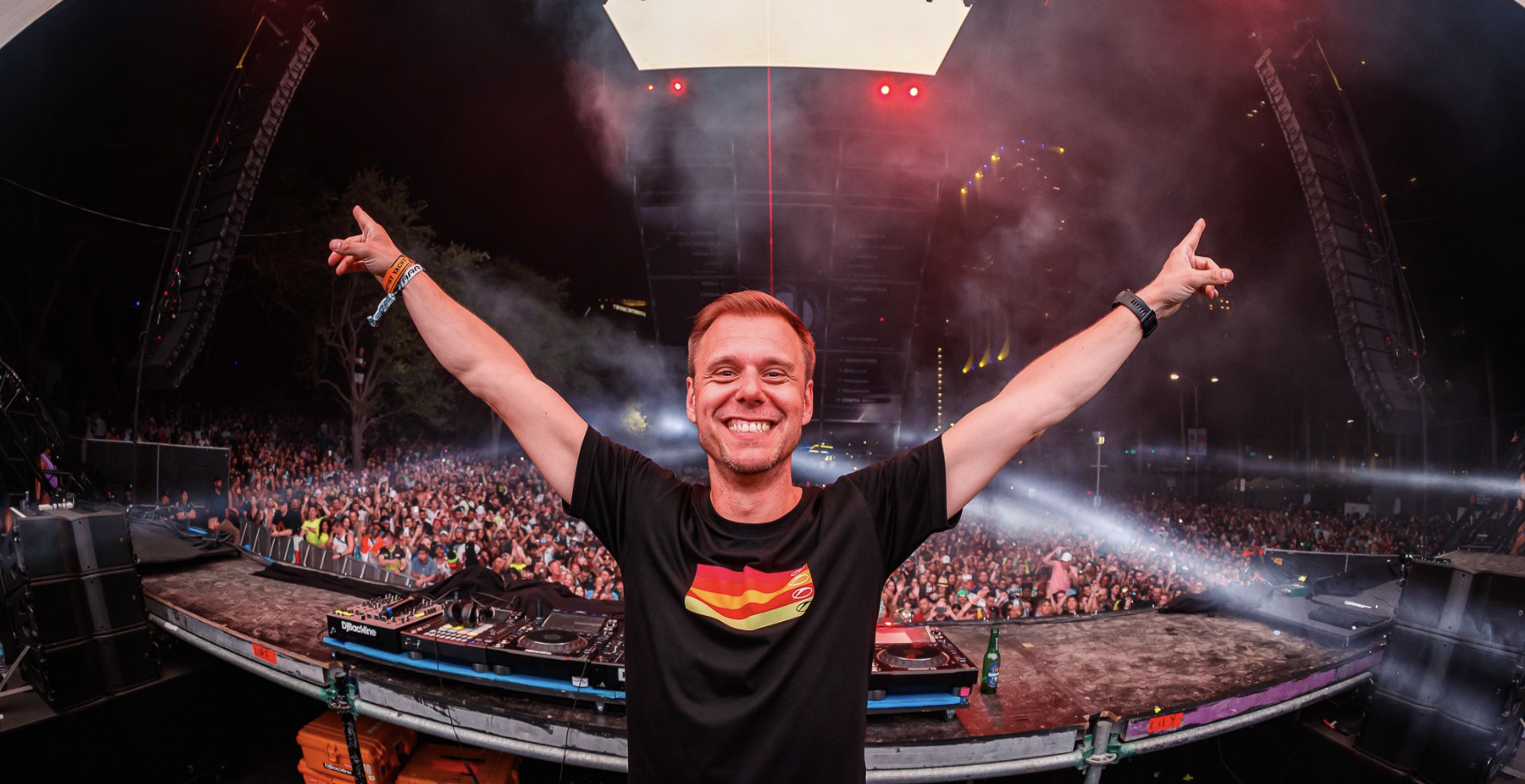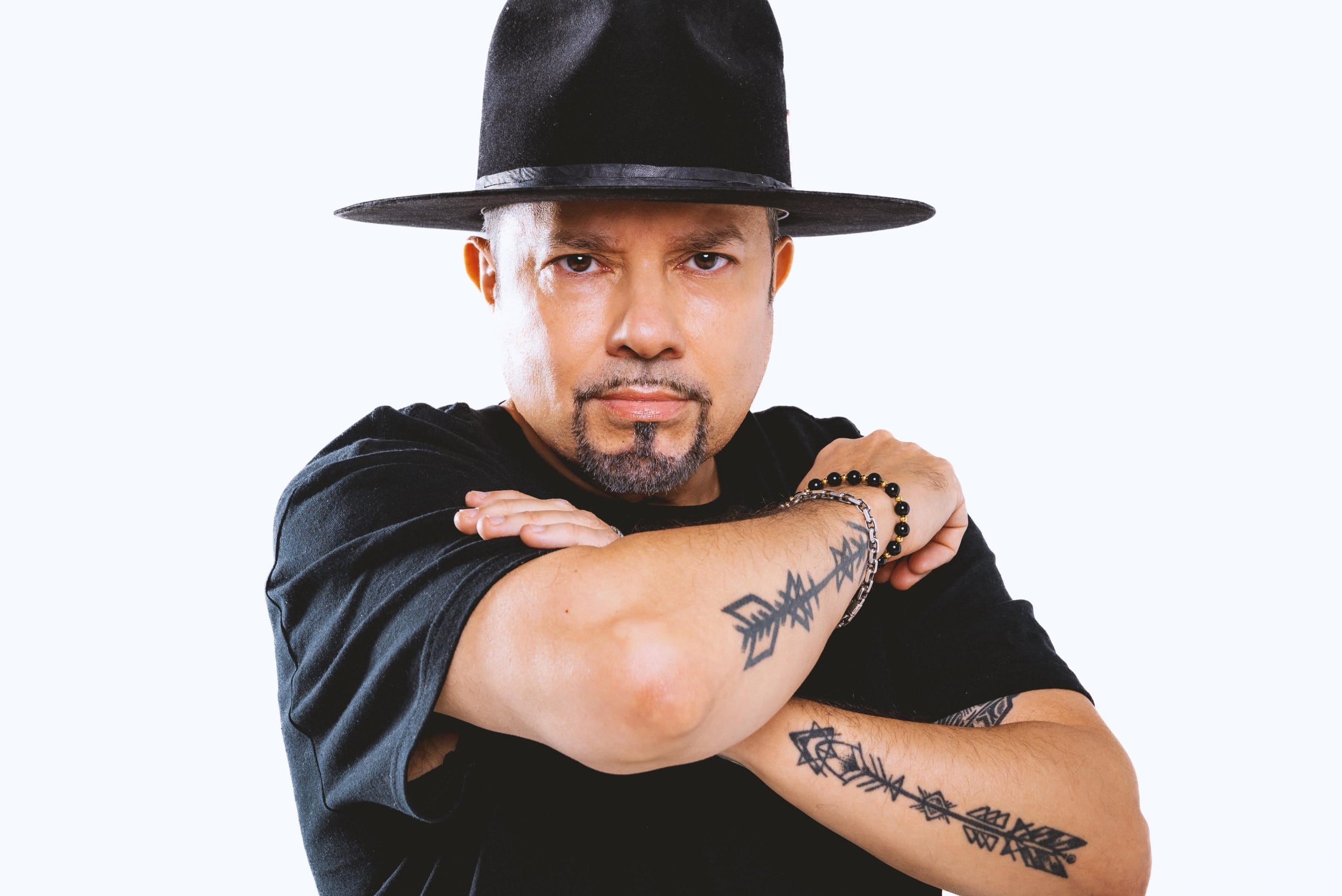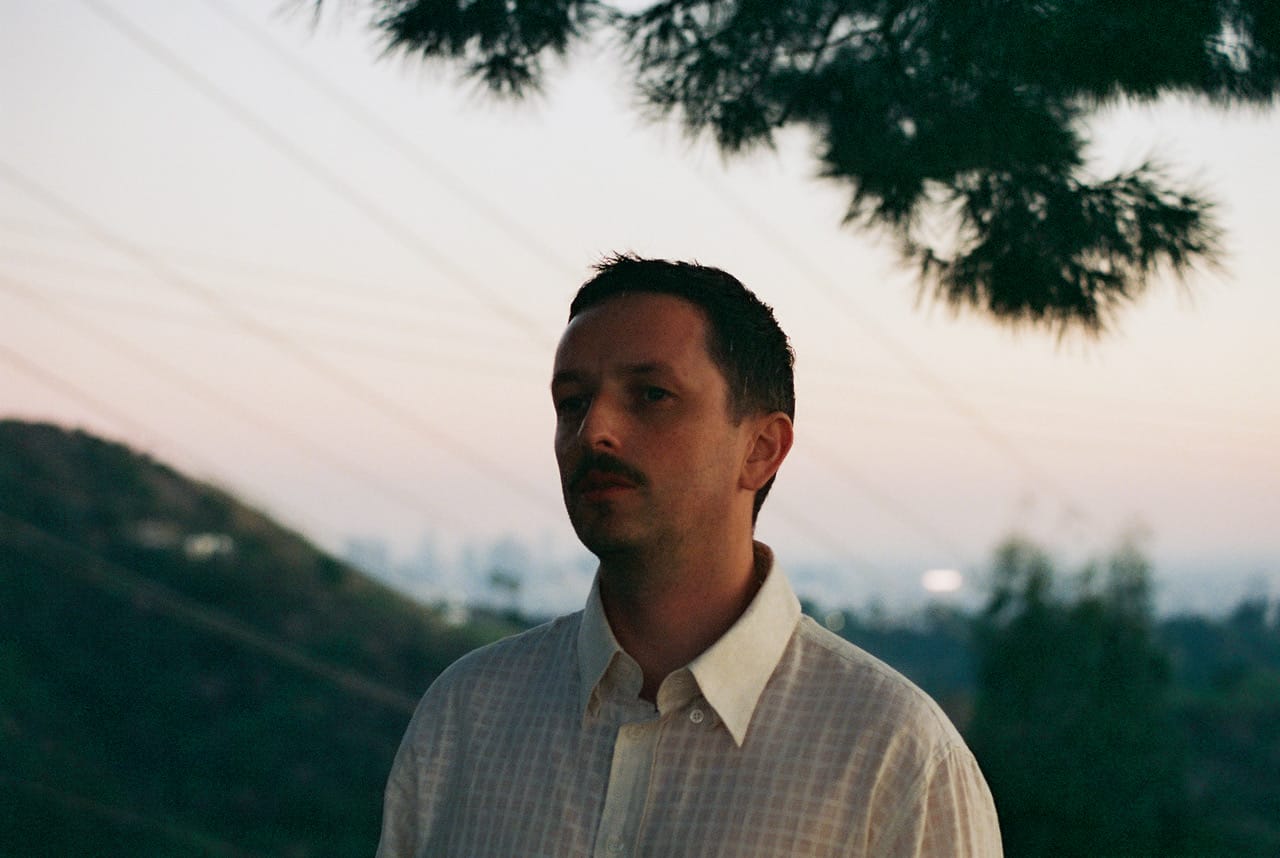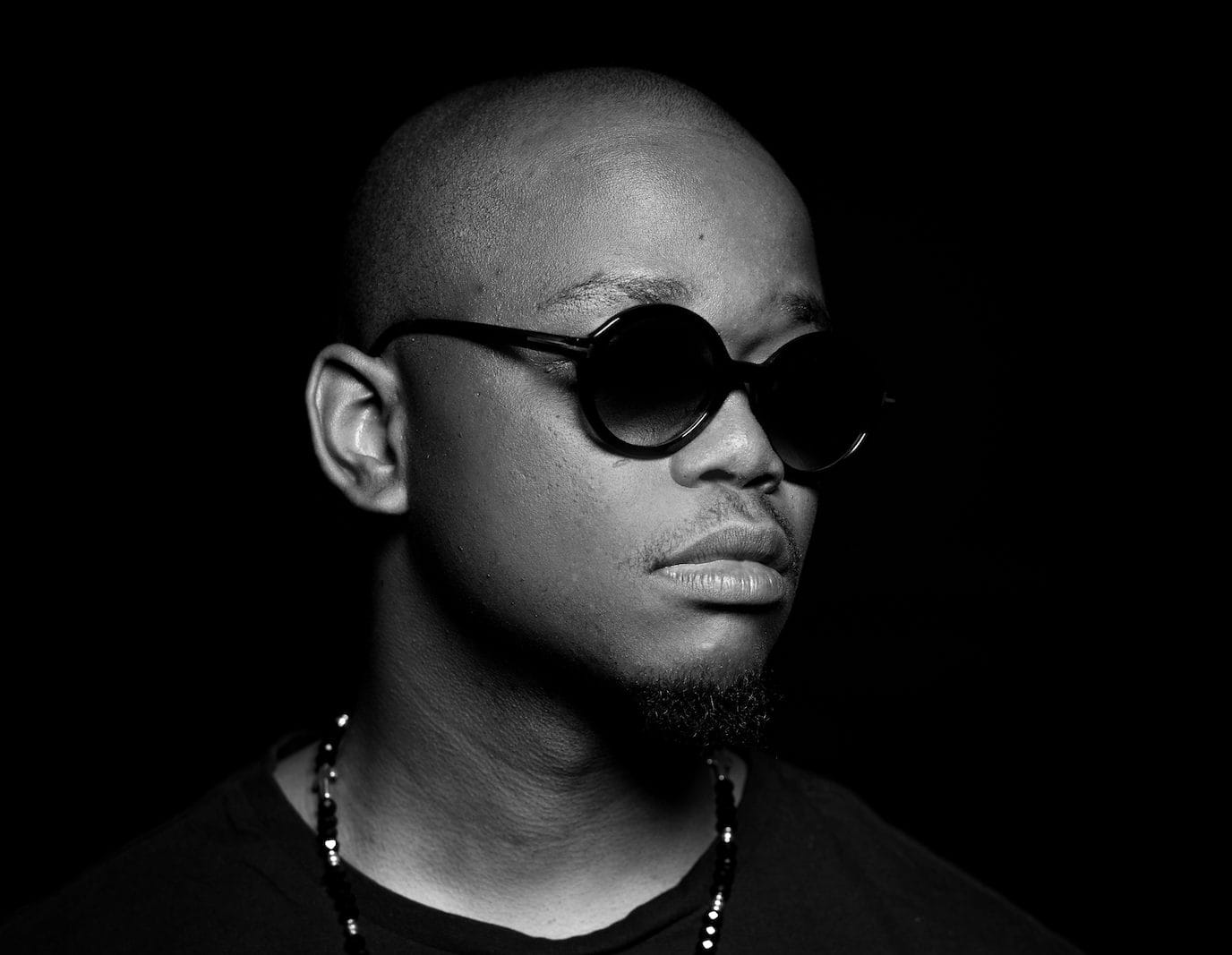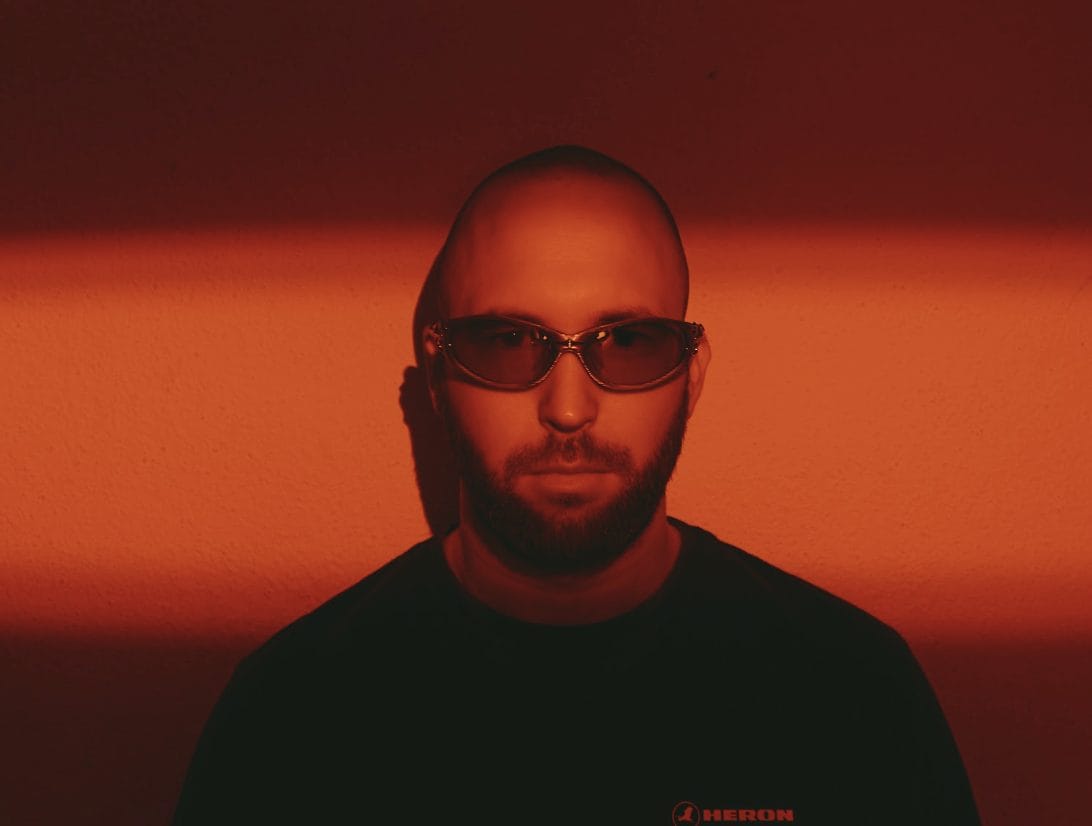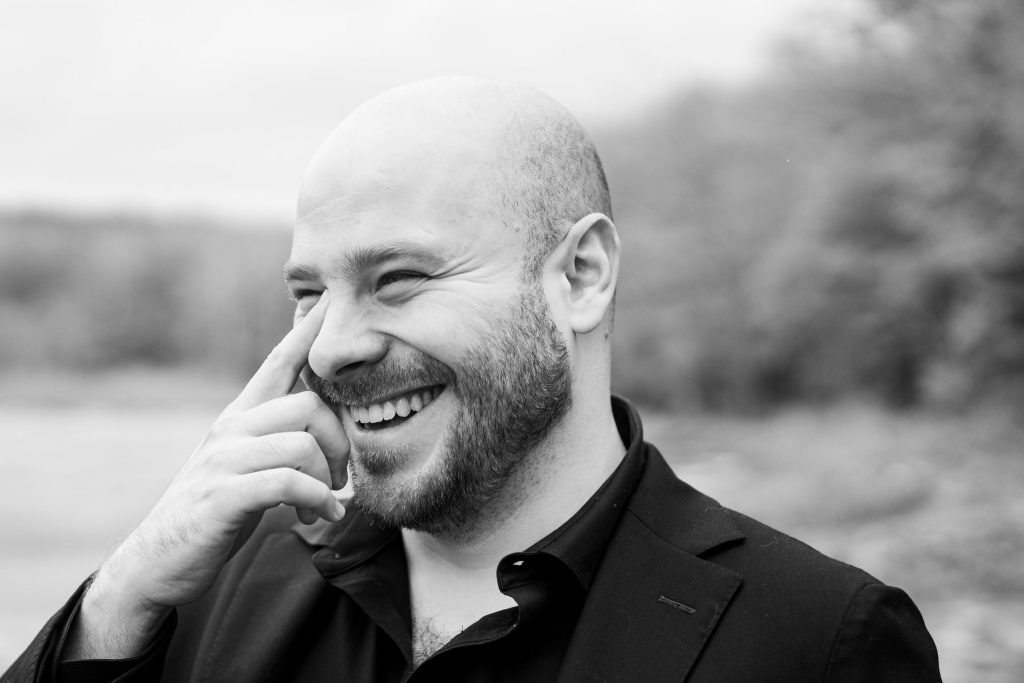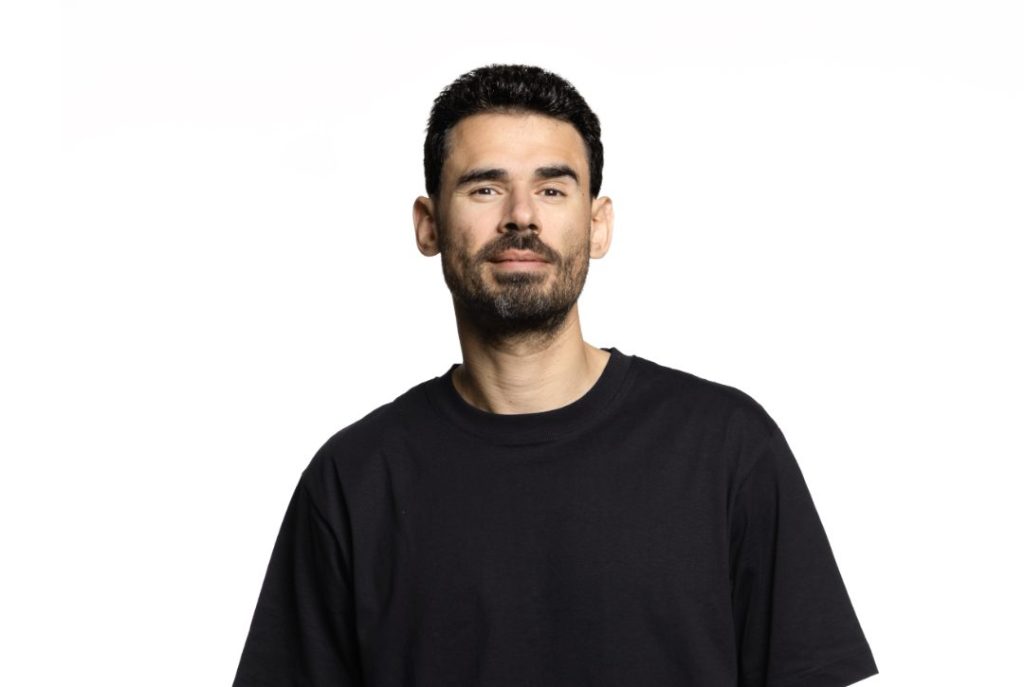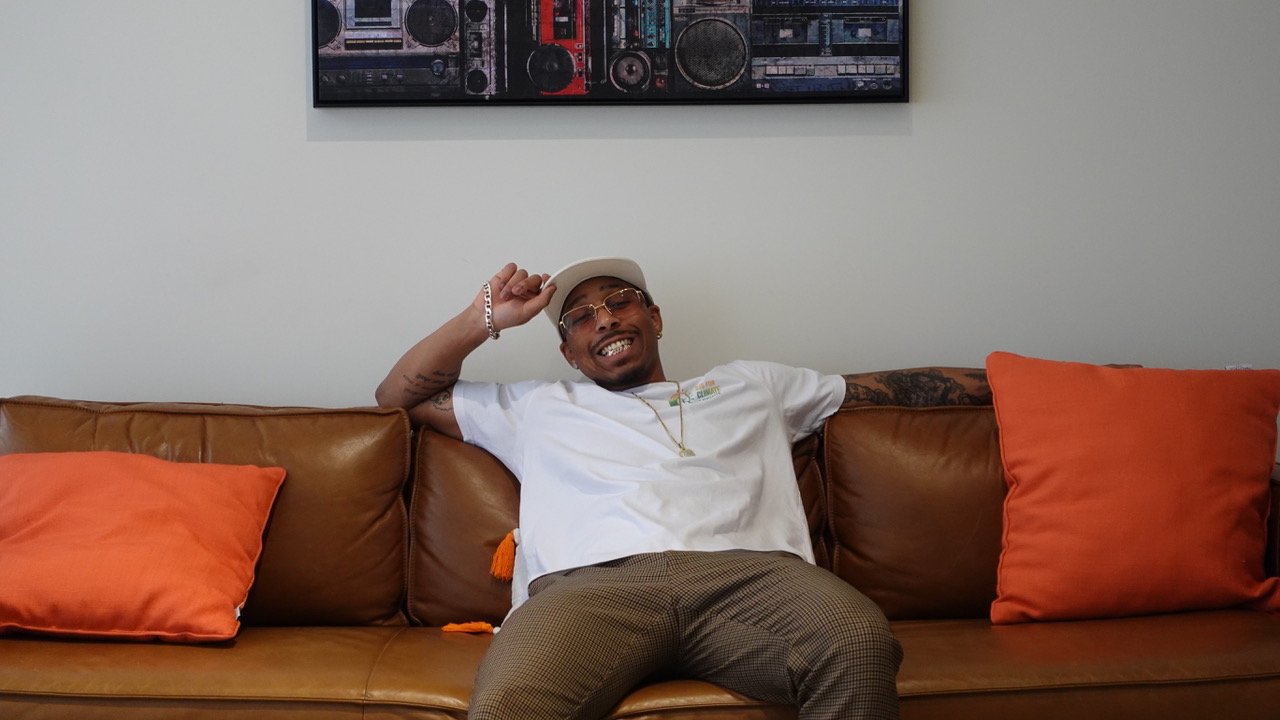
In this exclusive interview, we sit down with byDJBLVD, a rising talent in the world of Electronic Dance music. byDJBLVD takes us through the beginnings of his journey into music production, shares insights into their creative process, and offers valuable advice for aspiring producers starting their career. Join us as we delve into the world of beats, melodies, and soundscapes with byDJBLVD.
Hi DJBLVD! How are you doing?
Hey! I’m good, thanks for asking. As always, I am grateful to be here and thankful for this opportunity. Let’s get into it!
What initially sparked your interest in music production, and how did you embark on your journey as a producer?
Great first question, thanks for asking – I started my journey into music production in 2021, inspired by my DJ partner, SRRMN (Sir Ramoan), and his last album, The Black Priest Gospel. When listening to it for the first time, I thought it was a masterpiece that still resonates today. I could hear his emotions, moods and feelings poured into every element of each track, from the bass, kicks and melodies to the final mix. I must’ve listened to the album over 30 times; I was just amazed at how much power and emotional connection a song could have. My curiosity behind producing not just a song, but a short story, drew me to begin learning about music production.
Beginning the journey is always much easier said than done. However, thanks to technological advancements and different software options, I started learning the basics of music production in Serato Studio. Coming from open-format DJing on Serato, the layout and structure of the program was familiar to me. It helped me focus on what matters most in the beginning in my opinion: understanding the fundamentals of the genre you’re attempting to produce and how to structure a song. From Serato Studio, I dove into Logic Pro and Ableton, slowly learning and experimenting with both programs to continue honing my craft.
Can you share some essential equipment and software recommendations for someone just starting in music production?
The #1 essential component for someone starting in music production is the production software, or Digital Audio Workshop (DAW) itself! When I began my journey, I spent a couple of weeks researching programs alone, learning the pros and cons of each, which one had the easiest learning curve and what type of workflow and setup would support me. Most folks recommended starting with Ableton, but I won’t lie; looking at Ableton before touching the program scared me. I feared I would focus too much on the bells and whistles of the program before learning the actual functionality – this is where Serato Studio came in handy. The moral of the story: do your research and begin with the program makes you feel comfortable.
The next most important tool in your arsenal should be a MIDI keyboard, small or large. I started with a Novation Launchkey 49, which has more features to play with than a beginner needs. However, after much background research and for the amount of flavor I wanted to add to my sounds, it was perfect. Notice the trend here? Research, research and more research!
Another necessary piece of equipment is a solid pair of headphones. As you continue to train your ears, you’ll notice that the sound of a single instrument, piece of percussion or synth can sound dramatically different across different speakers. While having multiple headphone and speaker options is good, my first and trusty pair of headphones was the Sennheiser HD-25. I still have these today and love them. My second go-to pair would be listening via my Beyerdynamic DT770s.
What are your top 3 VST synthesizers?
Serum, Diva and Arturia Pigments are my top three synthesizers that help me bring my synths and sounds to life. These all have intuitive workflows and an easy learning curve. Whatever you need, they have wavetable synths, analog oscillators, granular and FM synthesis, modulation sources and more for almost any shape you can think of.
For folks looking for a free alternative to these, I love Vital. I poked around with this synthesizer not too long ago, and it is powerful for a free tool. I’d highly recommend learning and starting with free and built-in tools before throwing money at paid plugins. Remember, paid doesn’t always mean better.
What are your top 3 Mixing plugins?
My first recommended and top mixing plugin is Serum. It’s a reasonably industry-standard synthesizer plugin that has an easy learning curve.
My second recommended plugin is Serato Sampler. When I started producing, I sampled a lot of tracks, and while I try and stay away from sampling nowadays, nothing beats Serato Sampler. I especially love the software’s ability to manipulate track tempos without sound distortion or artifacts, like with Logic Flex Pitch.
Lastly, I will go against the grain a bit and shout out the Logic built-in sound libraries and plugins. While you can maximize your sound capabilities with third-party plugins, Logic has a comprehensive and robust variety of plugins and sounds to support your production capabilities for a good while. I only started getting into third-party plugins less than a year ago – Logic built-in plugins taught me a lot and helped me realize what I wanted from a sound first.
As with any plugin, I recommend learning the most you can from the software before advancing to something else. It helps with building familiarity and learning how to integrate them into your sounds and songs comfortably.
AI is all the craze at the moment, have you experimented with it in your music production at all?
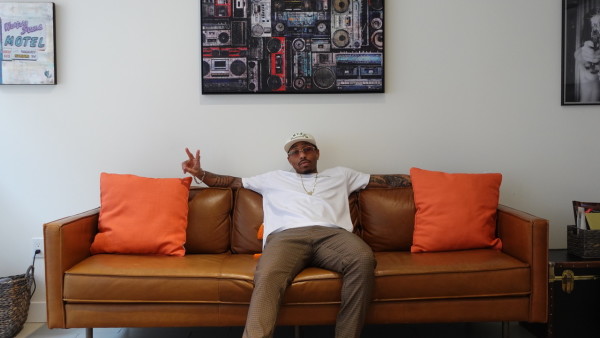
While I haven’t experimented with AI in my music production yet, I am not opposed to it. I don’t harbor negative feelings toward AI in music production, but in many cases, people use it and devalue the production aspect itself. Also, many people who utilize it don’t even understand the fundamentals of the genre they’re producing. I recognize this could be confirmation bias with the examples of AI usage I’ve seen, but I’ve yet to see a solid production all around through AI.
In any case, AI music tools will become a more significant part of the music-making process; it’s inevitable. There will always be places where artists feel they can replace or augment the human and creative process with AI, similar to how the sample library rose to prominence. In my opinion, it’s in our, being music Producers, best interests to learn to work with AI and let it benefit us where necessary rather than combat it. I have yet to fully wrap my head around attempting to utilize AI in my productions – I’ll take time to fully understand the scope of how it can influence my tracks soon enough.
Technology is constantly evolving; how do you stay up-to-date with the latest production techniques and trends in the industry?
Staying up-to-date with the latest technology advancements in music production, including tips, tricks and trends, takes a lot of work. I’m very much a “If it ain’t broke, don’t fix it” type of guy. I follow a handful of pages on Instagram that keep me abreast of different techniques that will improve my productions, but I find myself most concerned with trend-tracking automation. If I can produce the same quality of music in less time, I’m all for it. The time I spend building a track and mixing it down is the most tedious part. However, there’s a beauty to the amount of time and detail that goes into a song.
I’m usually reading if I need to stay updated with the Instagram pages. I love Reddit – something about first-person reviews and real-time feedback that can’t be provided when reading an article helps me a lot. The amount of data and discoveries that surface daily can make keeping up with tech advancements daunting. I have to take it all in small doses, or I will get easily overwhelmed and try to conquer everything simultaneously.
When creating a track, how do you build up the structure of your song? Do you start with the drums or do you start a different way maybe?
When building the beginning structure of my tracks, I typically start by either sampling or constructing my melodies from scratch. This is backward for a lot of folks, I know. It allows me to think through how many layers I want the track to have, the emotion I want listeners to feel and the supporting instrumentation or FX that should accompany it to make it feel whole. Also, I need to feel the groove. I can’t correctly place my drums or percussion until I’ve decided on my keys, melodies and supporting instrumentation. It’s just not the way my brain builds a song. If I’m having trouble crafting the emotion, I will dive into some of my favorite artist’s recent tracks for inspiration. I love listening to UKG, Deep House and Jackin House artists like Mike Millrain, Scott Diaz, Ross Couch and Sebb Junior for inspiration when I’m stuck.
Typically, I’ll stick to the traditional structure of a House track and add in sections as I feel, including a 16-bar intro, a 16-bar build, a 16-bar verse, Drop 1 and break, etc. Again, this is formulaic, but all my songs follow a different structure. This is more of a guiding rule for me if I get stuck. As I mentioned above, my drums typically come after everything else. I usually rebuild them about 3 to 5 times per production. I’m very particular about how the drums should resonate with each piece of the music. Additionally, since I’m still learning a handful of techniques and tricks, I always like to include a new feature I learned which lengthens or changes my process.
Overall, it takes me about a solid 30 days to create a track I’m proud of – I scrap a lot of my music because it doesn’t feel like it best represents me. I’m working and trying to overcome that, but it is much easier said than done.
In the specific style of music you create, what would you say is the most vital element? Is this the element you spend most time crafting?
I’ve been leaning more toward UK Garage productions lately, and the drum element is the most critical aspect of that style of music, by far and large. A solid drum groove is the most essential element and will make or break your track – I spend the most time on this production piece.
If you’re unfamiliar with UKG and its signifiers, the 2-step, shuffling and swing beat patterns are key identifiers. Having said that, ensuring your swing groove is on point is vital to help situate the rest of your song elements. For beginners, building from a solid drum kit and throwing your spin on it is fine. As you progress in production within the genre, you’ll learn what to listen for that will create the best groove possible. I like to stick to a 4×4 beat pattern and a strong, yet punchy kick that’s not wildly overpowering. If it’s overpowering, it sounds too much like a heartier Jackin House or Tech House production. Ideally, you want something that isn’t too bass-heavy, sharp on the ears and leaves headroom for the rest of the elements in your song.
As one of my good friends told me, less is always more. You don’t need to overcomplicate your drum patterns. I recommend listening to some of the timeless and recent top tracks within the respective genre you produce. In many cases, you’ll notice that the drums are relatively simple, and the other elements bring the song together alongside the drums. A fun fact: I used to play the drums, so I like to visualize with actual motion the different pattern variations that go into my kicks and percussion.
Many aspiring producers struggle with mixing and mastering. Do you have any tips or techniques for achieving a polished sound in a production?
Achieving a polished sound with your production is tough, and I’m still working on this myself. This is one of those areas where I will advise you to open your wallet and, initially, pay someone who’s much more well-versed in the craft to help complete your track. Hell, I even recommend using multiple people to get an idea of how they can each bring life to your music. The best thing that has helped me improve my mixing and mastering was listening to how others mixed my song and mastered it. It allows you to critique your music even harsher and opens the floodgates for questions on how to bring out certain sounds, emphasize effects or correctly situate sounds with each other so it doesn’t sound like one major train wreck.
Having said this, there is no alternative to training your ears. Today, I rarely outsource my mixing and mastering because I have focused on training my ears to learn and listen for what sounds I want to emphasize, and how to conquer the task of mixing and mastering myself. Of course, this journey takes years, even decades, of proper experience to hone. My advice and tip is not to be afraid to pay others to work on your track. Unlike my other answers, there’s only so much that YouTube and guides can teach you because it’s still your ears listening to the track. You must train your ears to properly understand what polished sound you’re going for over time.
One of my early tracks, ‘The Warwick’, is an excellent example. If you listen to this, you can clearly tell it wasn’t mixed and mastered well. To this day, I hate that it’s even available on streaming services. However, the production is an excellent timestamp and example of where my ears started to shift, and my tracks began to form into a different final sound.
Collaboration is often key in the Electronic Dance music industry; can you discuss your experiences working with other artists or producers and the benefits of collaboration?
Funnily enough, I only started exploring collaborations with other artists and Producers among my childhood friends several months ago, and I loved it at the end every time. I think the idea of collaboration scares a lot of artists, fearing that it may “ruin” or “muddy” the original production. However, I’ve found that if you go in with that mentality and poorly choose your collaboration partners, you’re setting yourself up for failure.
A strong collaboration requires lots of research on who you’re working with, their sound, trends in production and overall brand. One of my most important things is that it has to make sense. Remember, this production should resonate with your audience and the general wheelhouse of your production style.
In my experience, collaboration has taken me outside of my comfort zone and allowed me to learn how to work with different artists, adapt to crafting my sound to support or liven theirs and yield a production we’re both proud of. Outside of the benefits I just mentioned, I think it offers an opportunity to see how other artists interpret your music and the spin they can take on it. Every artist should try at least one collaboration track in their career in my opinion, if only to take you outside of your comfort zone.
What advice would you give to beginners for building their sample library and sound design skills?
Regarding advice for beginners regarding building their sound design and sample library, though we’ve talked a lot about plugins thus far, I’d recommend against buying any VSTs when starting. I cannot stress enough how important it is to learn how to use your DAWs and included synthesizers, as they usually cover all of the basic types of synthesis.
Second, you know I’m going to recommend something about reading. I love the publication Sound on Sound, and their techniques sector. You cannot build upon your sound design skills without first understanding what “Sound” is, as crazy as it sounds. I did a lot of reading on this publication to help my groundwork and inform how I built up my sample library. Plenty of resources like this exist – some VSTs even have their own guides.
Third, there is so much power in understanding the fundamental role of various effects in shaping a sound and not limiting it to “spicing” up a sound. Effects like reverb, delay, etc., can add an incredible depth to just about any sound, and it doesn’t take fancy tools to make it happen.
Lastly, remember, YouTube is your best friend! I’m self-taught, and while paid courses and training can be great, there are an immense amount of free resources that you should run through first before opening your wallet. Take your time with what you choose to watch, too; patience is the name of the game. You can take something from every video you watch to influence your music production.
If you were a complete beginner and you wished to receive one piece of advice on music production that you know now, what would it be?
One piece of advice I wish I had received earlier as a beginner, is not to focus on pleasing everyone’s ears. Everyone will have a different idea of what will make a song sound perfect or acceptable to them. However, too many cooks in the kitchen can set the scene for a production that doesn’t even sound like your own anymore.
Produce what feels natural and embodies your style and groove. I don’t mean that you shouldn’t take constructive criticism from others on what could strengthen your production. But be mindful that everyone’s suggestion shouldn’t be immediately accepted. Sometimes, we can get lost in trying to please others, a label we’d like to appear on or otherwise, and lose our initial and authentic sound. Take time to study the genre you seek to produce and its diverse music producers, and never stop being curious about how to better your music production.
byDJBLVD’s journey into music production is not only proof of his dedication and love for music, but also a source of inspiration for those looking to make their way in the industry. We hope you’ve gained useful insights and enjoyed this interview; we thank byDJBLVD for his time, and for keeping the music playing; stay tuned for more exciting sounds from byDJBLVD in the future.
byDJBLVD Online: Soundcloud | Instagram | Spotify

Magnetic byline note: This byline is used for staff produced updates and short announcements, often based on press materials and official release information. Editorial responsibility: David Ireland (Editor in Chief) and Will Vance (Managing Editor). About: https://magneticmag.com/about/ Masthead: https://magneticmag.com/masthead/ Contact: https://magneticmag.com/contact/