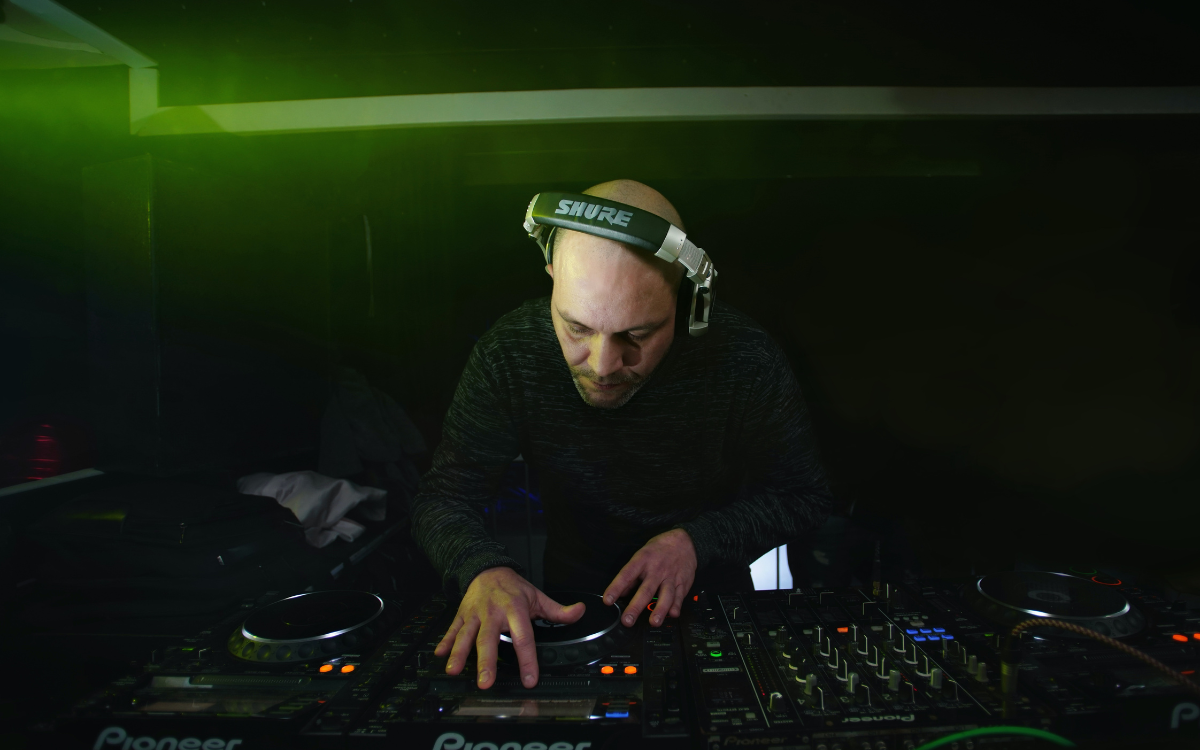
DJing has evolved from an art form focused on musicianship and connection with the audience to a global phenomenon where DJs are akin to rockstars. In the early days, DJs were revered for their ability to craft unique musical experiences, seamlessly blending tracks and reading the crowd. This intimate connection between the DJ and the audience was the essence of the performance. However, as the electronic music industry has exploded, the focus has shifted. DJs are now central to large-scale events and festivals, where visual spectacles and big-budget theatrics often take center stage.
This transformation has led to a dynamic and complex landscape where the line between enhancing and obscuring the musical experience can be thin. It raises questions about the balance between visual entertainment and the genuine craft of DJing. The intersection between technology, social media influence, and audience expectations has fueled this shift, redefining what it means to be a DJ. The following exploration delves into these contrasting perspectives, examining the spectacle and the craft of modern DJing and the challenges and opportunities in embracing both in a rapidly evolving industry.
If you’re curious to know what our small team of in-house DJs and curators are spinning in our sets each week, follow our Fresh Cuts Playlist!
The Spectacle of DJing

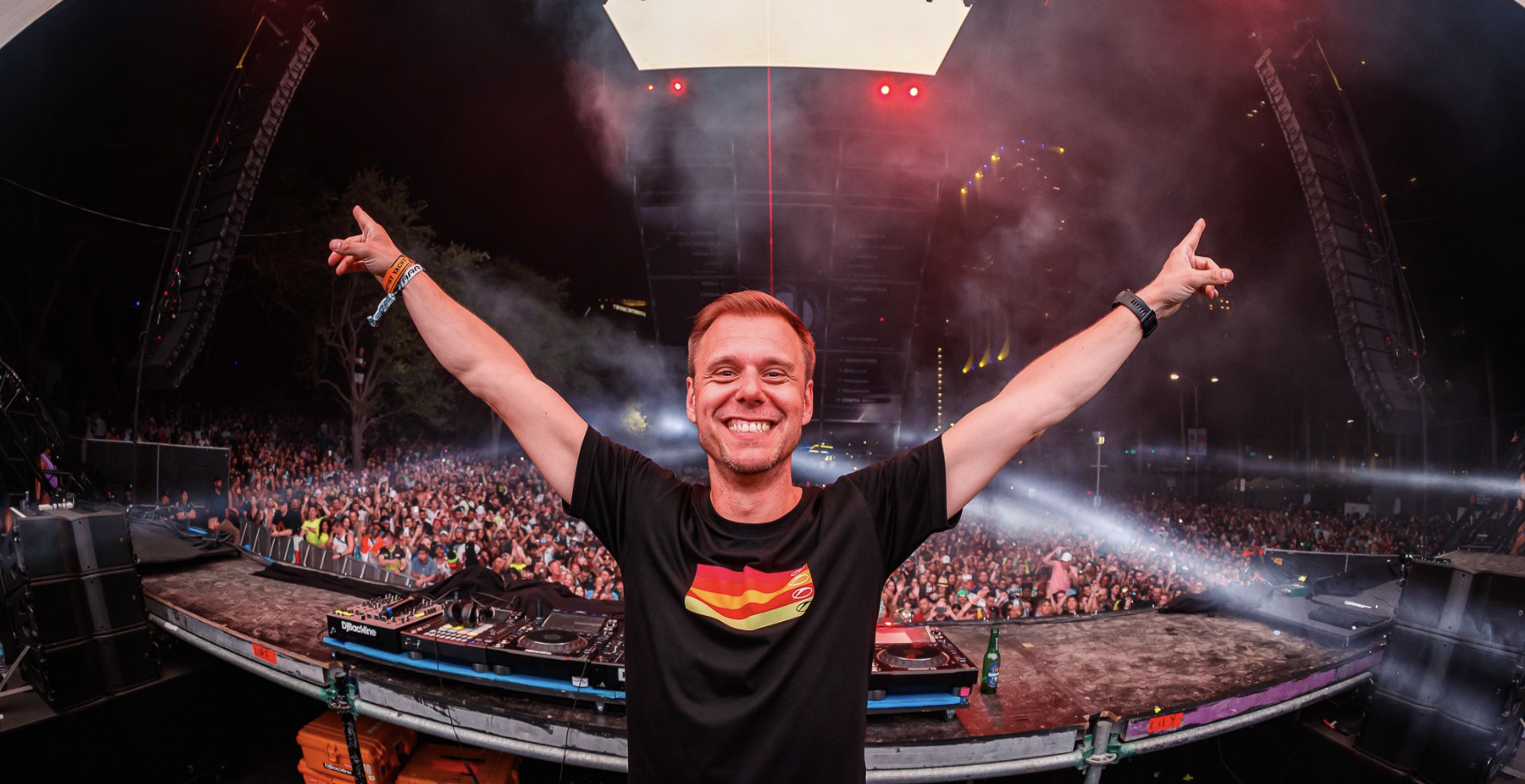
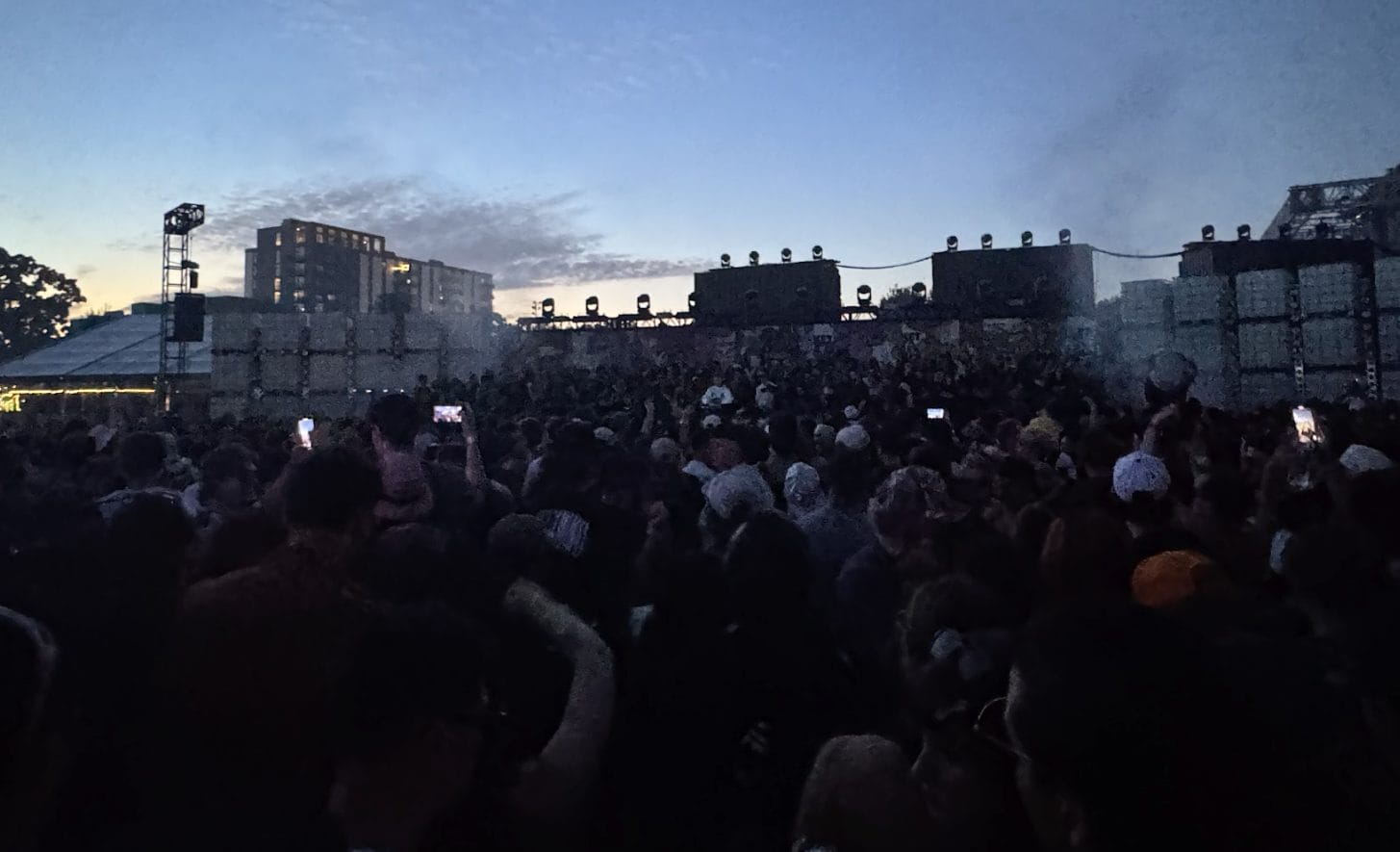
The spectacle of DJing has exploded onto the music scene, becoming a defining feature of large-scale events and festivals. Integrating stunning visuals, pyrotechnics, and even live performers into sets by DJs like Fatboy Slim and Carl Cox adds a new dimension that is as visually engaging as it is sonically rich. However, the line between enhancing and obscuring the musical experience is fine, and striking that balance can be a significant challenge. Critics and fans voice concerns that visual extravaganzas can overshadow the nuances of the DJ’s craft, where fireworks and LED walls might dazzle the eyes but distract from the music.
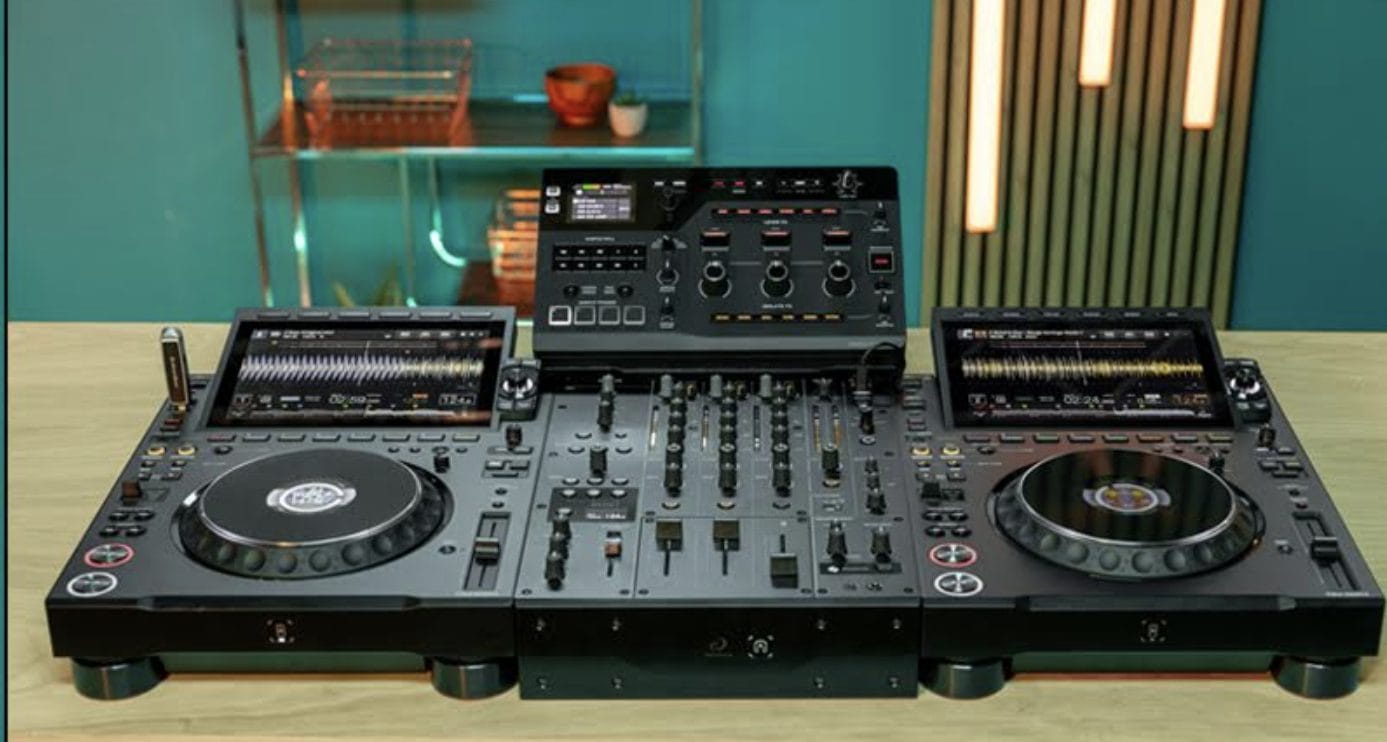
Technology like Pioneer’s DJS-1000 and Roland’s visually engaging interfaces has enabled this shift toward more visually stimulating performances. The blend of cutting-edge technology, immersive visuals, and live energy redefines being a DJ, creating visually stunning and musically robust shows. But this new era has also raised questions about balancing convenience with creativity and maintaining the essence of the craft.
The push for viral content on social media has further intensified this spectacle-driven trend. DJs are now encouraged to create visually striking performances that can be shared and celebrated online, boosting their profile and raising concerns about their true focus. Is the craft being overshadowed by the need to create a shareable moment?
This exciting yet controversial phase in DJing emphasizes visual and audible dimensions, pushing the boundaries of performance and questioning where the line should be drawn. The integration of technology, creativity, and social media influence continues to shape the industry, reflecting a modern music culture that thrives on innovation but grapples with the balance between spectacle and substance.
The Craft of DJing
For purists, DJing is an art form rooted in skill, creativity, and connection with the audience. The DJ’s ability to mix tracks seamlessly, read the crowd, and craft a unique musical journey sets them apart. Legends like Jeff Mills and Jazzy Jeff have built their reputations on these foundational aspects of DJing.
However, the rise of digital technology and the accessibility of DJing software have led some to question the authenticity of modern DJing. With the ability to pre-record sets and rely on automated mixing tools, concerns have been raised about the dilution of traditional DJing skills. In some circles, watching a DJ perform has been likened to watching someone cook; very few are genuinely captivating to observe.
On the other hand, platforms like YouTube have provided a space for talented DJs to share their craft. Up-close videos of skilled vinyl DJs or innovative uses of technology like the RMX-1000 in techno sets have helped keep the appreciation for the craft alive. These videos serve as a reminder that the true essence of DJing is far from lost, despite the pressures of the modern entertainment landscape.
A Balanced Perspective

DJing’s vast landscape is more complex than the simple split between spectacle and craft, and recent dynamics, like the COVID-19 pandemic, have only enriched it further. With clubs closed, many DJs and fans shifted online, reshaping the scene profoundly.
This change has had a dual impact. On one side, it spotlighted the pure craft of DJing, allowing DJs to connect intimately with audiences, focusing on skill and creativity without visual distractions. Conversely, virtual platforms created opportunities for immersive digital experiences, with visual effects and interactive engagement, leading to unique performances that may influence DJing’s future.
DJs today skillfully blend visual excitement with musical talent, catering to various tastes and preferences. Venues still shape performances, with intimate settings focusing on music and festival stages prioritizing visuals and showmanship. This adaptability fuels the scene’s vibrancy.
The shift to online platforms has also magnified personal preferences, highlighting the community’s diverse tastes. Some enjoy the up-close virtual view of their favorite DJs and the energy of live streams, while others prefer the pure musical journey.
Modern DJing is an ever-shifting landscape guided by technology, audience behavior, and cultural tastes. Navigating these changes, balancing spectacle and craft, makes today’s DJ scene so dynamic and exciting, and it’s always the forward-thinking artists and DJs who pull this all off in a new and exciting way that make the giant waves in the industry and make their mark on such a highly competitive industry.
Conclusion
The debate between spectacle and craft in DJing reflects broader shifts within the music industry and cultural preferences. The rise of technology, social media, and changing audience expectations have all shaped this ongoing conversation.
What remains clear is that there is room for diversity and innovation within the DJing scene. Whether you are drawn to the theatrics of a live show or the pure musical experience of a skilled DJ, there is something in the modern scene for everyone.
As the landscape evolves, adapting, innovating, and staying true to one’s artistic vision may be the most valuable skills a DJ can possess. The challenge and opportunity lie in embracing both the spectacle and the craft, recognizing their unique contributions to the rich tapestry of modern DJing.

Will Vance is a professional music producer who has been involved in the industry for the better part of a decade and has been the managing editor at Magnetic Magazine since mid-2022. In that time period, he has published thousands of articles on music production, industry think pieces and educational articles about the music industry. Over the last decade as a professional music producer, Will Vance has also ran multiple successful and highly respected record labels in the industry, including Where The Heart Is Records as well as having launched a new label with a focus on community through Magnetic Magazine. When not running these labels or producing his own music, Vance is likely writing for other top industry sites like Waves or the Hyperbits Masterclass or working on his upcoming book on mindfulness in music production. On the rare chance he's not thinking about music production, he's probably running a game of Dungeons and Dragons with his friends which he has been the dungeon master for for many years.