In the ever-evolving panorama of ambient and downtempo music, one name stands out among the constellation of talented artists that Anjuna’s Reflections imprint has brought to the fore – Cephas Azariah. Hailing from India, and now residing in Britain, this prolific composer has seamlessly woven his cultural roots with his rich musical imagination, culminating in a unique sonic signature that is as captivating as it is profound. Drawing from influences such as Ólafur Arnalds and Tony Anderson, Cephas’ compositions echo the tranquillity of ambient textures and analog piano melodies, delicately framed within the rhythmic cadence of electronic phrases and embellishments of strings.
Snag Premium House Music Samples Without Breaking The Bank With Our Massive Curated List Of Warm, Punchy Sounds From Across The Internet. Click Here To Get 4k+ Free Sounds and Samples
Ever since his inaugural release on Reflections in October 2022, Cephas Azariah has been on a meteoric rise, racking up an impressive 8 million streams. His music possesses a tranquility that invites the listener into a state of contemplation, providing a peaceful respite in the world’s chaos. It’s in this slowness, this unhurried soundscape, that the listener finds an oasis of peace, demonstrating that Cephas’ music is more than just a melody – it’s a serene haven, designed to bring calm into people’s spaces.
We had a chance to pick his brain about how he made his latest single, ‘Sleep Is Sacrament’ which his out now on Anjuna’s ambient imprint – Reflections
1. Korg Minilogue
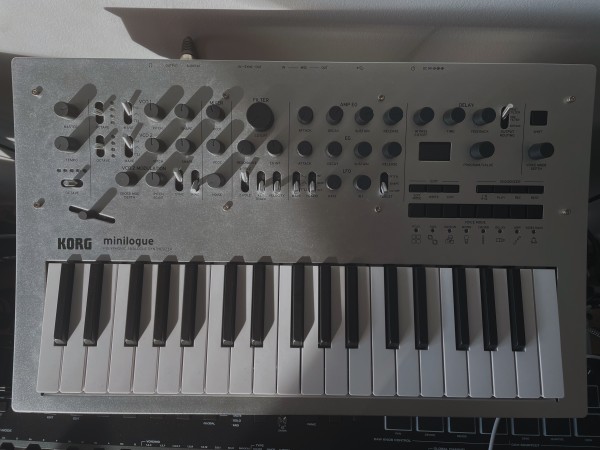
Korg makes synths that are easy to be creative with, reducing the gap between the idea and the incarnation. The best feature of this synth is the cut-off filter. Home to many an arp and a sequence, I’ll often blend waveforms to make unique patterns that give songs their dance.
They formed the underlying movement in my Lunar Tides EP.
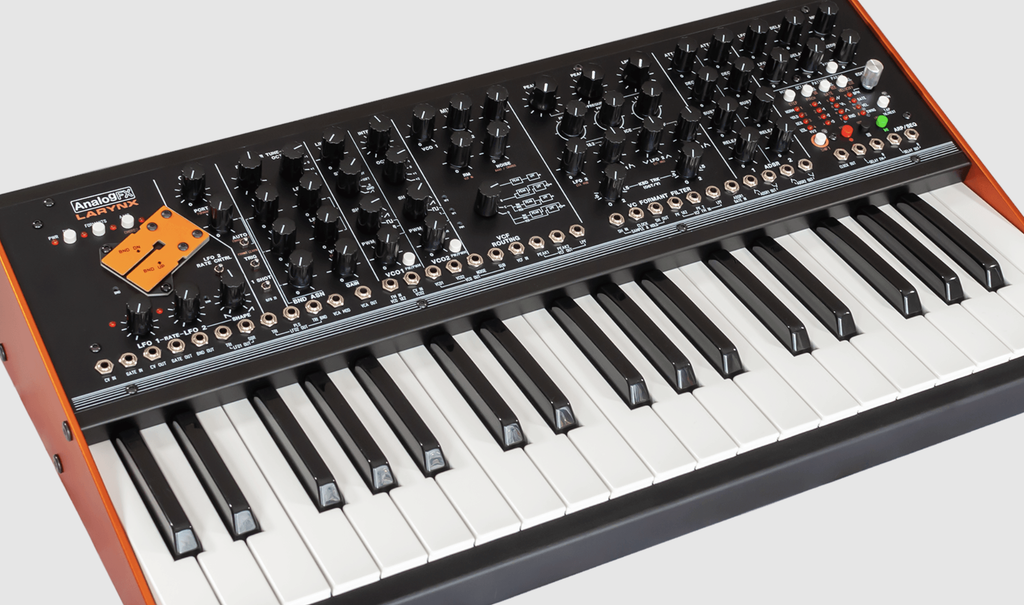
2. Korg MonoPoly (Behringer Re-Issue)

This is my newest addition to the studio.
Been a big fan of the old Korg synths – especially the PS-3100 and the original MonoPoly. After seeing Òlafur Arnalds’s session breakdown on his Grammy-nominated “Loom” – I had to have one. Ended up opting for the incredible Behringer re-issue of the MonoPoly which has typical midi capabilities and you can stand up the module for easy access to the dials which I think should be a feature on every synth!
Ready to explore the world of top-tier hardware synths? Dive into our comprehensive guide on Fantastic Hardware Synths for Making Massive Leads and Ear-Catching Hooks in Music Production and elevate your tracks with unmatched sonic brilliance.
3. Royalette Upright Piano
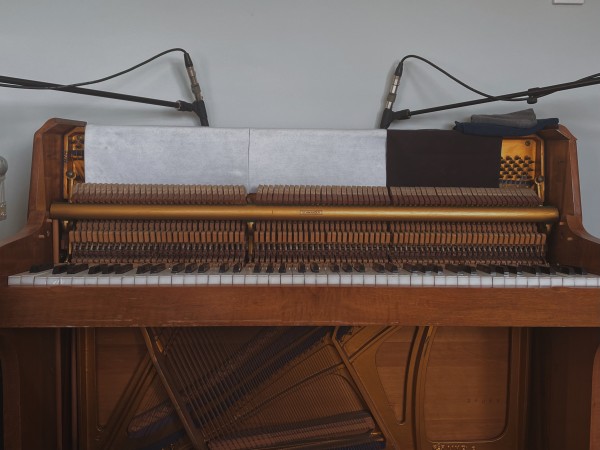
There’s a big element of “play” here, like a kid with a new toy. Every time I’m sat at the piano there are infinite possibilities and without any classical or formal training, I feel completely at home with the sounds of a piano. My upright is always where an idea begins. I usually start with an emotion and stumble into melodies that make sense. I felt ed the piano myself using different grade felts for different parts of the piano to overemphasise the warmth of the upright. Also, notice the slightly unconventional mic positions. This picks up more of the harp (which is at the back of the piano frame) and less of the mechanics (at the front). I’ve also taped a thick Belgian microfibre towel to the back to really cut out overtones and emphasise timbre.
4. Granular, Reverb & Delay Pedals
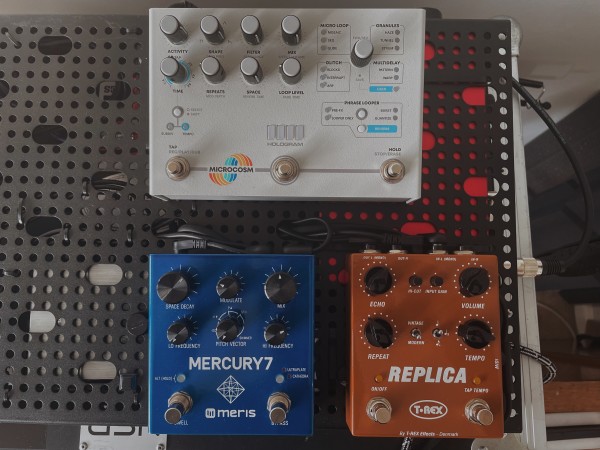
Printing stems through these pedals is my way of adding spice and creating an interesting textural ambience to the track. The combination of midi-clocked granular effects from the Microcosm, tape echoes from the Replica, and lush sonic tails from the best reverb (IMO)
the Mercury 7, helps me create a colourful ambience with the original elements of the track itself. This is a distinct feature of my rework of Machine Keys.
5. Landforms
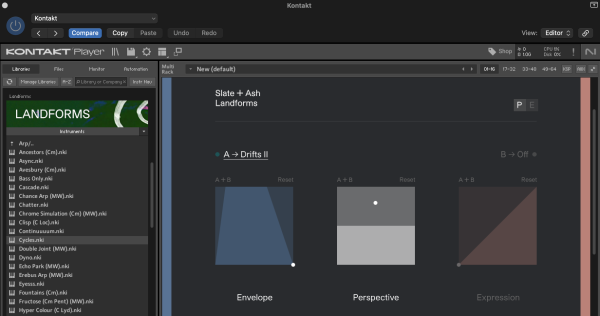
A typical post-modern tool for producers. Landforms is a hybrid sampler bringing together synths and orchestral instruments. I tend to use this to double up on the layers from the hardware and piano. Anything from arps to chords to toplines to space in a track, Landforms really puts the “neo” in “neoclassical”.
6. Stratus
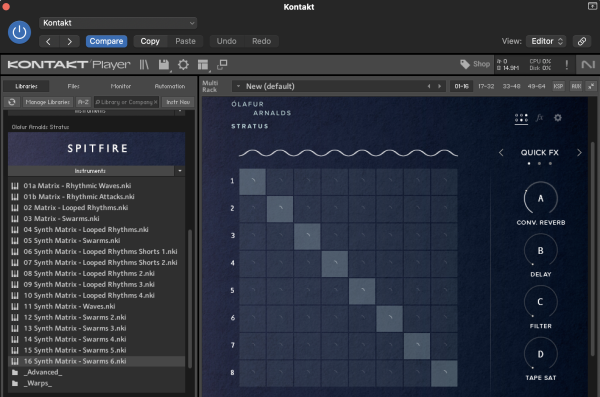
Stratus was gifted to me by Òlafur Arnalds for placing 2nd in one of his annual composer competitions. It created algorithmic patterns based on tempo and subdivision. This takes rhythmic sounds to whole another level. I use it similarly to Landforms; doubling on existing layers to create prevailing sonic off-shoots, “swarms” and loops.
Want to excel with FabFilter’s Saturn 2? Delve into ‘How To Use FabFilter’s Saturn 2: Waxman (CA) Shares Expert Advice To Get The Most Out Of The Saturator’ – unlock your potential here.

Will Vance is a professional music producer who has been involved in the industry for the better part of a decade and has been the managing editor at Magnetic Magazine since mid-2022. In that time period, he has published thousands of articles on music production, industry think pieces and educational articles about the music industry. Over the last decade as a professional music producer, Will Vance has also ran multiple successful and highly respected record labels in the industry, including Where The Heart Is Records as well as having launched a new label with a focus on community through Magnetic Magazine. When not running these labels or producing his own music, Vance is likely writing for other top industry sites like Waves or the Hyperbits Masterclass or working on his upcoming book on mindfulness in music production. On the rare chance he's not thinking about music production, he's probably running a game of Dungeons and Dragons with his friends which he has been the dungeon master for for many years.