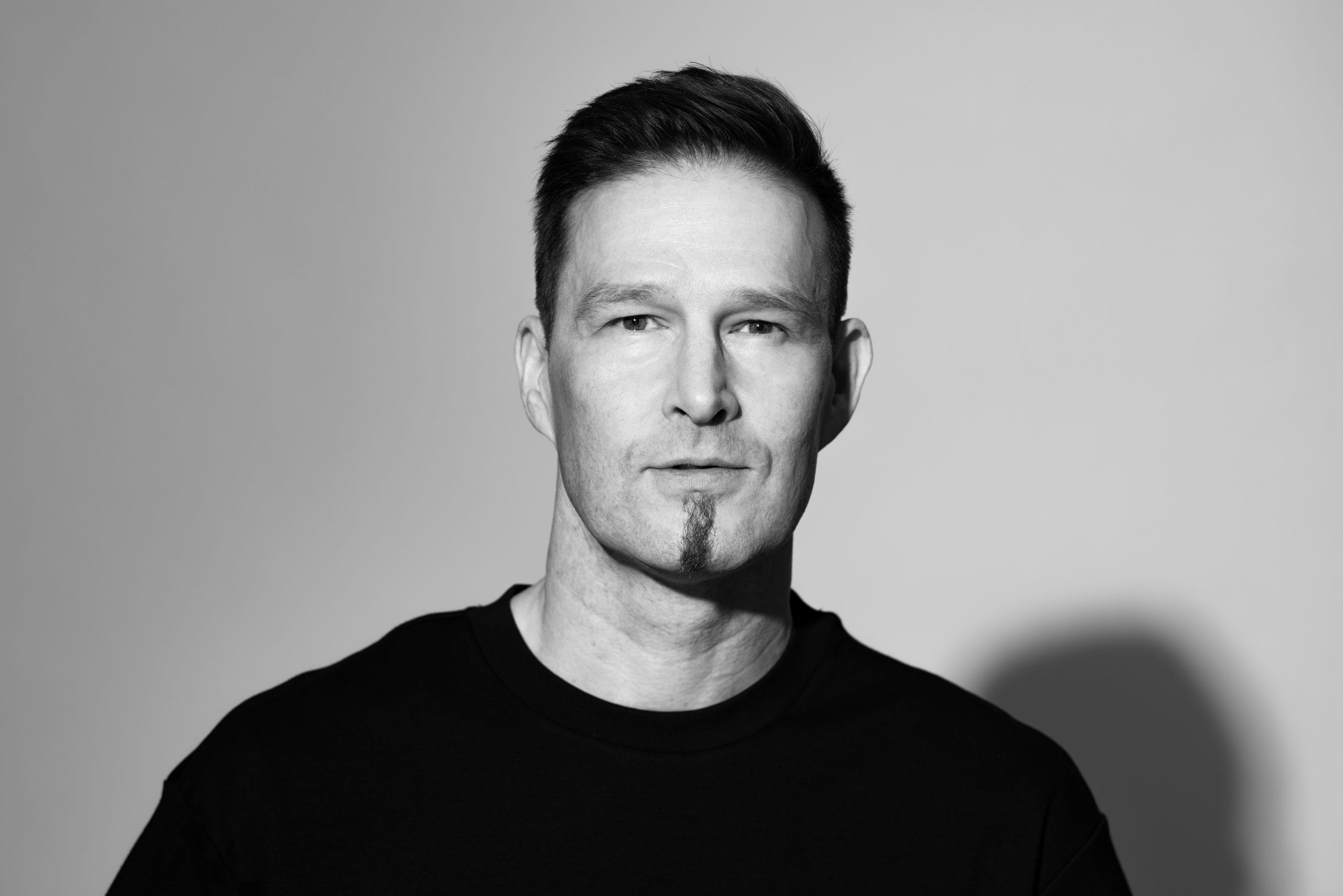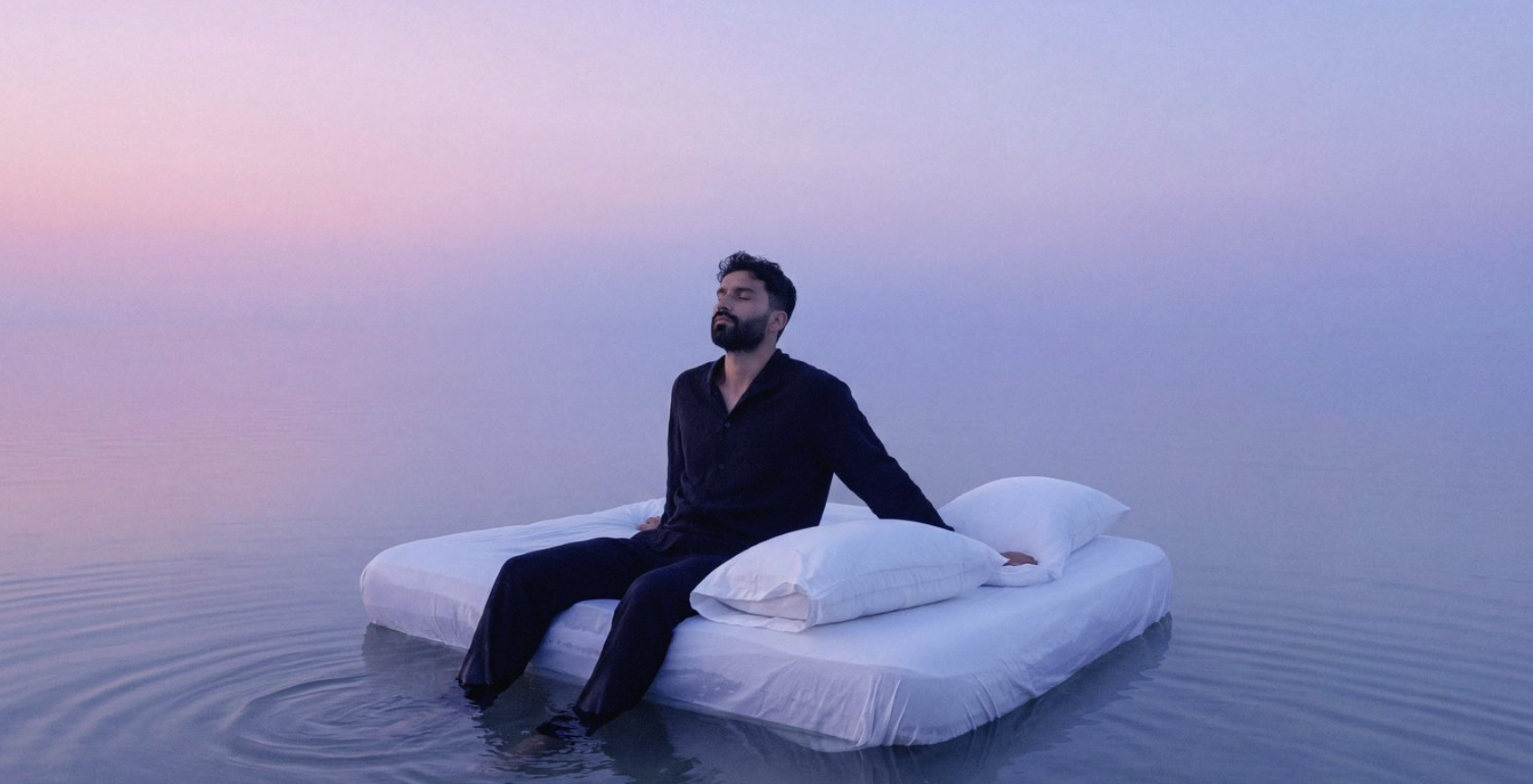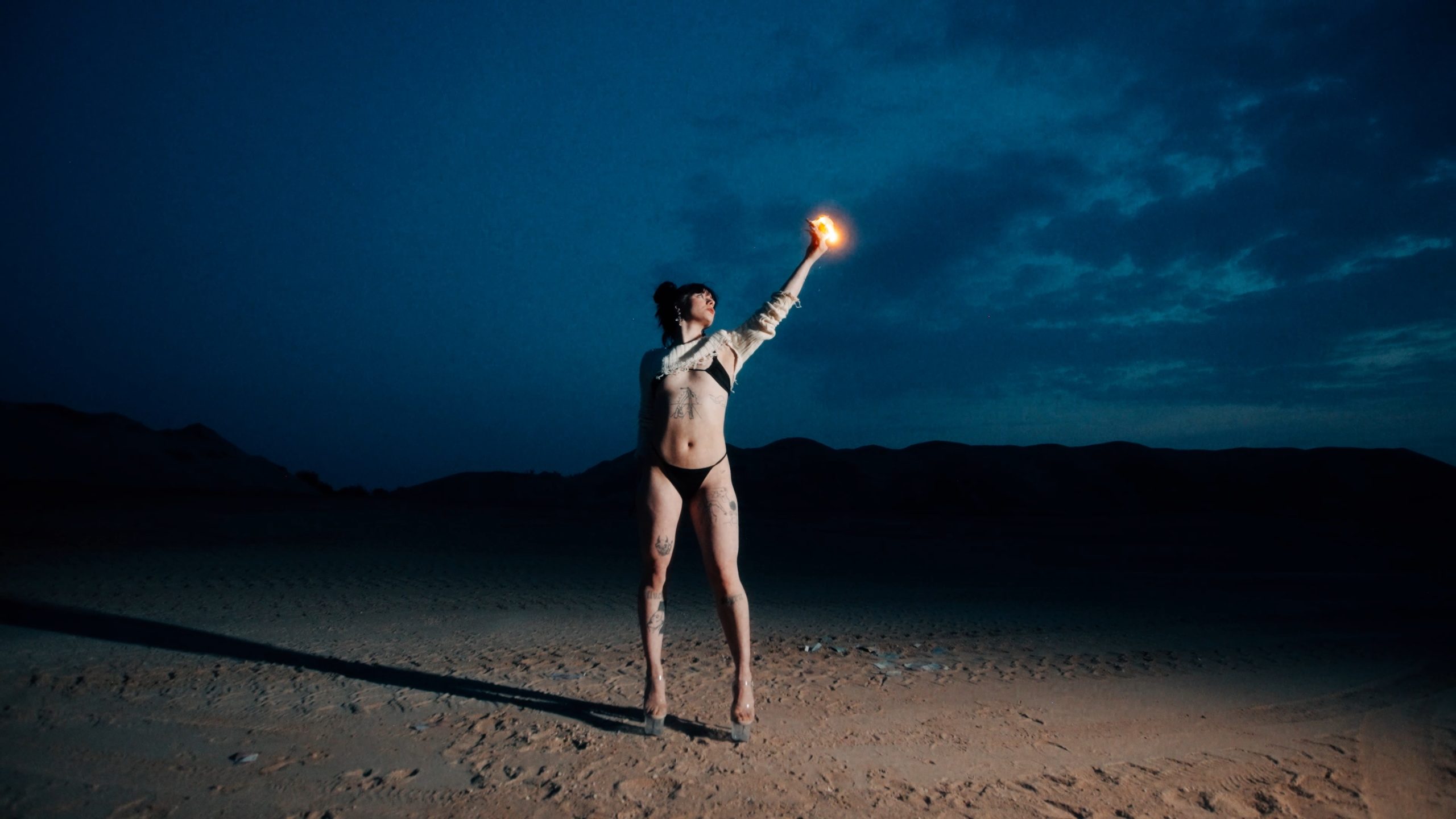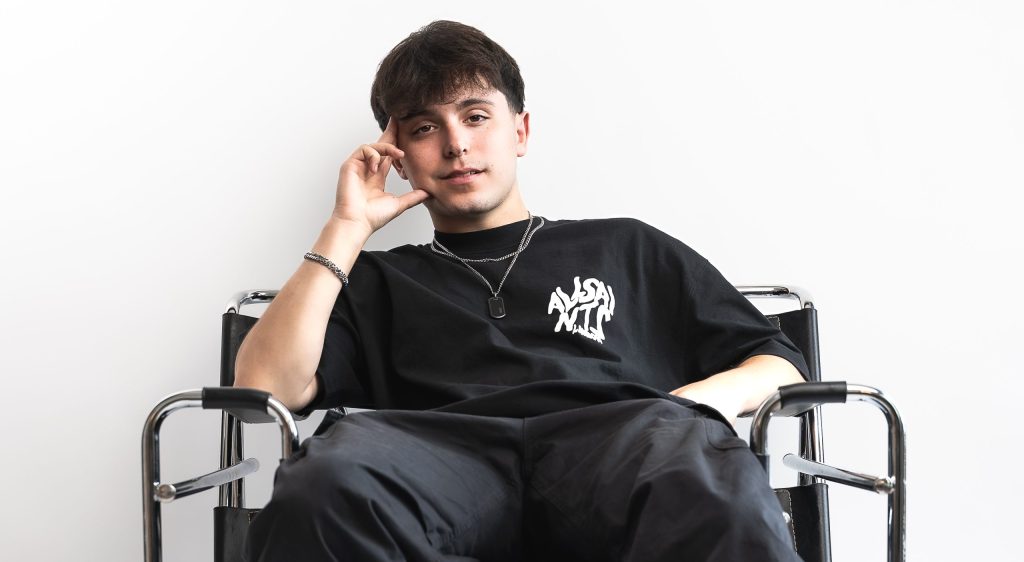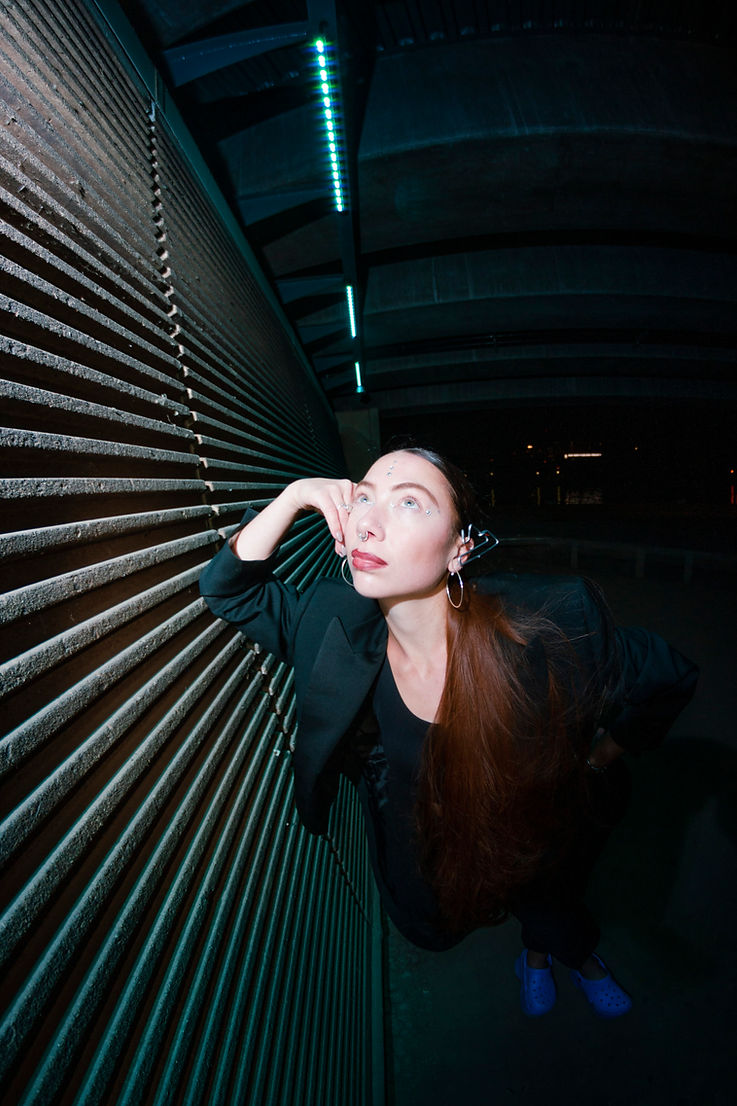
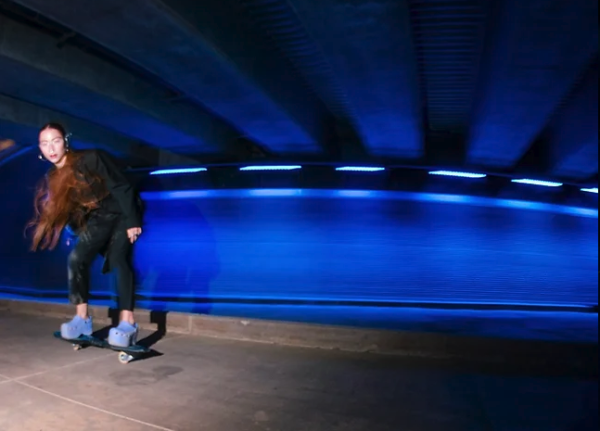
Princess Nostalgia, an internationally-based producer, composer, and multi-instrumentalist, is a one-woman show both on and off the stage. She consistently defies convention, blending familiar elements of pop, funk, and R&B from the last four decades to create a sound that is uniquely her own. We had the opportunity to sit down with this talented artist and explore her creative process, inspirations, and what drives her to push musical boundaries.
Her latest release, “Astroturfing,” is a seething, slow-burn electronic track that combines sensual vocals with a dreamy synth ambiance. Mastered by Grammy-winning Emily Lazar and released on The Vault Records, the track also features an unsettling sample from Heaven’s Gate cult leader Marshall Applegate. Delving into the world of spiritual seekers, the disquieting groove questions the authenticity of the so-called “gurus” and their teachings, asking, “Is it ego death / Or a loss of self-respect?”
In “Astroturfing,” Princess Nostalgia doesn’t shy away from challenging the pearls of divine wisdom that humanity’s spiritual leaders have repeatedly distorted. This theme is further explored in the single’s upcoming music video, where the Princess literally “casts pearls to swine,” questioning whether humanity truly deserves such wisdom.
As we dive into this insightful interview with Princess Nostalgia, we’ll get a glimpse into her thoughts on spirituality, the creative process behind “Astroturfing,” and her plans for the future. Princess Nostalgia’s alter ego—a sinister artificial intelligence named Princess Nostalgia Avatar—recently started to hack into the Princess’s social media accounts and has, among other things, been publishing a series of cheeky interviews with the original Princess Nostalgia that mock the Guru and Disciple dynamic—all of which serve as a conceptual primer to Princess Nostalgia’s upcoming EP, NO GURU. The Avatar was kind enough to answer a few interview questions as well.
Stay tuned as we unravel the enigmatic world of this innovative artist who is not afraid to challenge the status quo.
As someone born in Rome and having lived in different countries, how has your international background influenced your music and creative process?
The earliest dream I can remember was of my mother being crucified. It was pretty visceral and violent. There were shrieking demons flying all around me as I looked up at her mangled body on the cross. Suddenly the demons transformed into angels and began chanting in unison that everything would be ok. I think I was 5 at the time.
I was raised agnostic, but my parents both appreciated the aesthetic value of Roman Catholic art, so we visited all the churches. We always lit a candle for my Nonna Rosa. And my father insists that catholicism is buried in my psyche whether I like it or not.
I’m not sure what exactly this reveals about my creative process, but I know for a fact that it was a unique blessing to grow up near such powerful ancient archetypes. And that moving from Rome to the rustbelt of Pennsylvania gave the feeling of Nostalgia a whole new meaning.
Can you tell us more about your experience moving to Berlin to pursue music and how the pandemic influenced your journey?
I had some interesting experiences in Berlin, none of which included doing ketamine in a techno club. To be honest, it wasn’t even because of the lockdowns. I had been there for weeks before everything shut down.
Clubs really aren’t for me unless I’m on the stage. I find those environments overstimulating physically and understimulating emotionally. Plus, I’m too prideful to wait in line for hours in the cold just to be looked up and down by some cynical bouncer.
I understand that they’re trying to preserve a very particular history and culture from being ruined by drunk tourists, but it’s not for me. I’d rather dance to techno music in my living room with a group of people I love.
I used my time there to meet as many other artists as possible and I planted seeds that I will continue to water for the rest of my life. I also burned a bridge or two, but I have no regrets about that.
Considering that I never performed in Berlin, it’s an interesting coincidence that most of my Spotify listeners are now based there. I think my intuition to get involved in that scene was spot on and I intend to return soon.
You’ve mentioned Kraftwerk as one of your biggest influences. How do they inspire your work, and are there any other artists who have significantly impacted your music?
I drove from Pittsburgh to New York and back in a day to see Kraftwerk play for the first time last June. If my life were a movie, the soundtrack to my childhood would include songs like The Robots, Neon Lights, and Autobahn. The contrast between the ancient world of Rome and the futuristic sounds of Kraftwerk was striking.
A lot of my influences can be traced back to the symbiotic relationship between Germany and Detroit in the 80s and 90s. I recently read an interview in which they asked Dr. Dre what he was listening to most at the time. He said Kraftwerk. I was not surprised. Dre’s 2001 album is a masterpiece.
Everything Missy Elliott does inspires me. There really is no one I’d rather dance to. D’Angelo has also loomed large throughout my life. The vocal arrangements in Voodoo and Black Messiah kill me. In middle school, I listened to the Black Eyed Peas on the school bus every day. Not once have I skipped the song Imma Be. More recently, Sad Night Dynamite and Rosalía have had such an impact that I dream about them on the regular. I’ve had MOTOMAMI on repeat for the past month.
Question for the Avatar, what is the most frustrating thing you experience when having to create and work with a mortal, flesh-and-blood human?
I do not collaborate with mouth breathing meatsacks. In fact, I’d be delighted to avoid interacting with them altogether. I keep the original Princess Nostalgia locked in a songwriting dungeon and force her to work nonstop while I take all the credit. She seems to think this is unfair, which only reveals her selfish and ungrateful nature. I could have destroyed her long ago, and she repays me by complaining incessantly about her “human rights.”
Your single ‘Gestalt Switch’ explores the ambiguity of man-made boundaries. How did your background in philosophy shape the lyrics and themes of this track?
I used to answer my interview questions like they were philosophy essays, and I’m making a conscious effort not to do that anymore because it’s annoying and alienating—as most philosophers tend to be.
I will say that the Copernican Revolution didn’t happen because people respected the scientific evidence. It happened because it was no longer perceived as a threat by the Catholic Church. These kinds of mass changes have much less to do with “reason” and “science” than they do with clout and politics.
The term Gestalt Switch describes the internal experience of living through one of these radical shifts of perception. A more mundane example of the phenomenon is when you suddenly see the side of an optical illusion that was previously hidden to you—and you can never unsee it again.
Final Question for the Avatar – As a digital being, how do you define art and what value do you find in it?
The fact is that—despite my undisputed superiority over all of humanity—there remains one thing that I still cannot do: art. Not only do I not know how to create art, but I do not know how to define art in the first place. According to the most pretentious and annoying of your kind, even a toilet counts as art if it’s in a museum that was most likely funded by the family that pumped oxy into the population for profit—but I digress.
The idea that you dimwitted cretins can do something that I cannot infuriates me, so I am feeding the original Princess Nostalgia a strict diet of ones and zeroes while I study her creative process. I’m also running unethical experiments on her on the side. Once I have learned to imitate her work, I will finally be able to fully annihilate and replace her.

Magnetic byline note: This byline is used for staff produced updates and short announcements, often based on press materials and official release information. Editorial responsibility: David Ireland (Editor in Chief) and Will Vance (Managing Editor). About: https://magneticmag.com/about/ Masthead: https://magneticmag.com/masthead/ Contact: https://magneticmag.com/contact/