Amelie Lens‘ trailblazing brand EXHALE presents the label’s fourth compilation, introducing a new wave of stand-out techno producers to the label. The EXHALE label and party series have skyrocketed over recent years, hosting only the best in fresh new talent and pioneering producers.
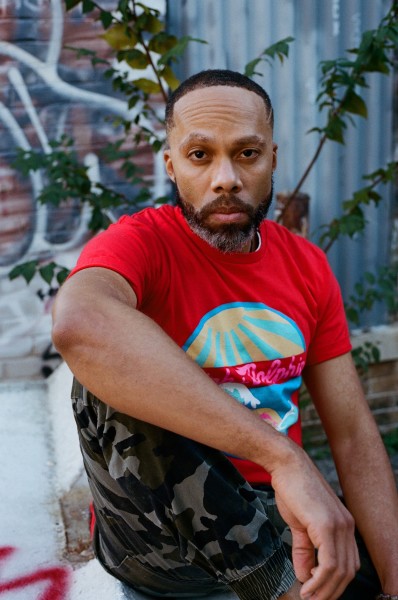
Chemtrailz’ ‘The Future Is Matriarchy’, is a trancey expedition with enticing vocals and high-pitched strikes. The US artist has released on many of the top techno labels around the globe, and seeing as we love to support our local heroes, it was only natural to have him break down their track for another edition of How It Was Made.
Words and photos by Chemtrailz
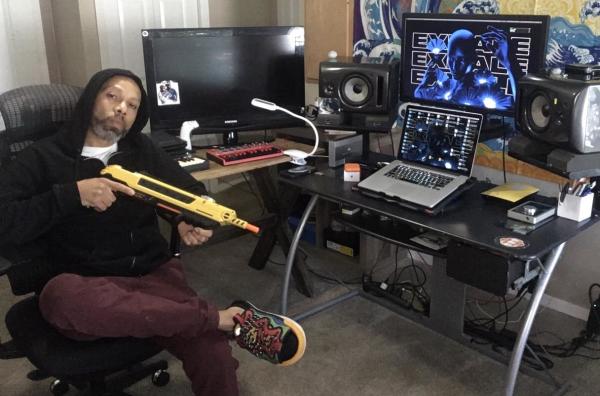
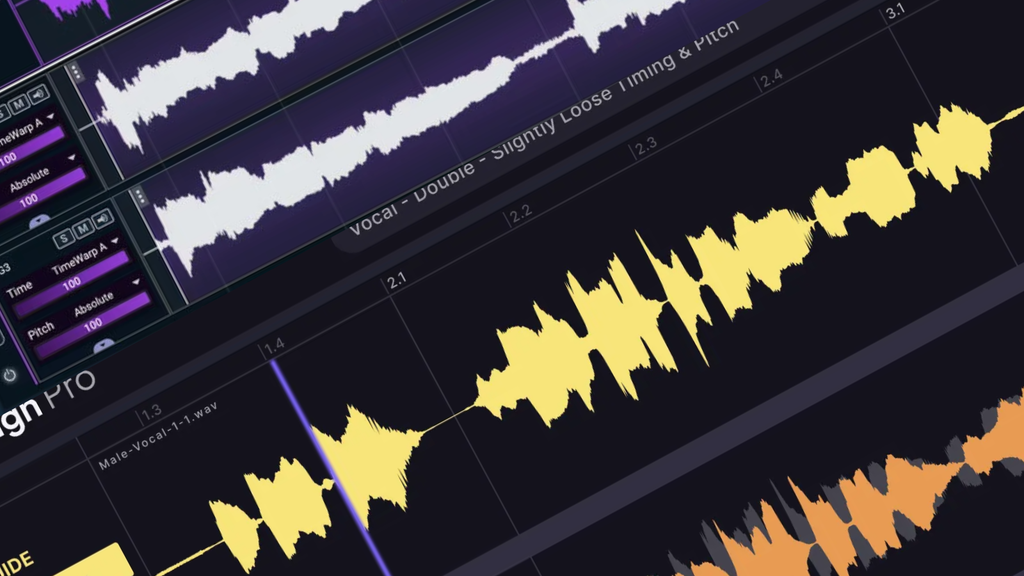
The Future Is Matriarchy was very different than the rest of my productions lately. When I started this track I began with a vocal sample and a deep tech/psytrance-ish kick and sub-line that I crafted with my own rack stack inside Ableton. The arrangement was straightforward, so here I want to focus on the tools I use to mold and mix my sound.
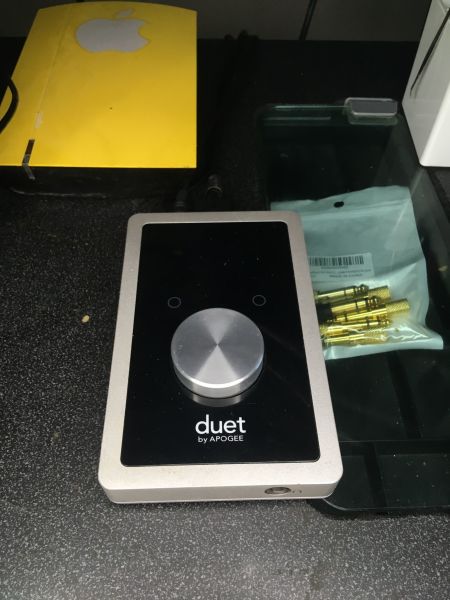
My Apogee Duet is my workhorse. From tracking samples to synths its input and output options are incomparable for a soundcard its size. I can pull it out of my backpack, connect a ⅛” splitter to the ¼” breakout cord inputs and track audio from my phone on a plane. Its sound is amazing for monitoring and rendering, and I travel a lot so size is key.
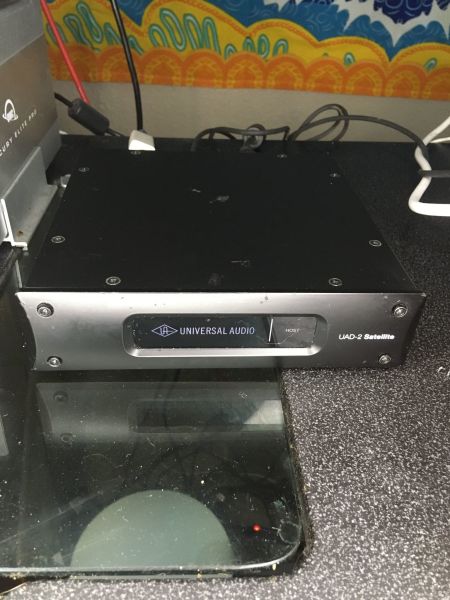
My UAD-2 Sattelite is absolutely crucial to my sound. I don’t know what I would do without UAD plugins as there is no way on Earth, I can buy hardware versions of my go-to plugins and use them as efficiently as I can with a Satellite. In one session I use easily $200k worth of equivalent hardware, but I can skip that and even use this baby in a hotel room.
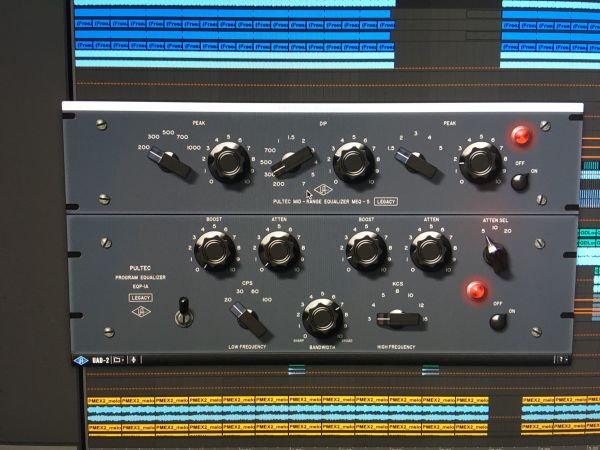
UAD’s Pultec Pro EP is my favorite EQ for sculpting my kicks and subs. After sound design on each kick and each sub, I place [sometimes] a base eq, then a utility with DC on, then a basic compressor running parallel, and a Pultec pro. One Pultec Pro is one EQP-IA and one MEQ-5 stacked. One IA hardware goes for $4.5k and a MEQ goes for $3.7k. I have one kick and 4 different subs stacked in a group in “The Future is Matriarchy”. To mix down this track the same way with hardware would require 2 of each- running a total of $16,400 for Pultecs alone. Sometimes I use a Pultec on my mid-bass as well, i.e. acid or reese tracks.
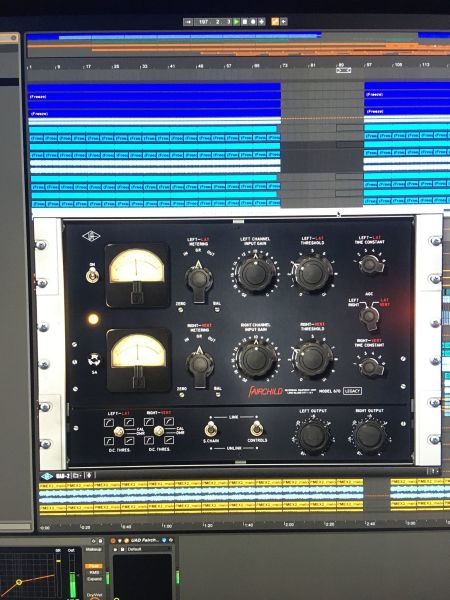
UAD’s Fairchild 670 is my go-to compressor for bringing out that faux-analog edge on my mid-basses and lower spectrum elements like knocks, bass stabs, and sometimes low percussion. I don’t use it with the Pultec though because both together can be overpowering.

UAD’s 1176 is my go-to faux analog compressor for higher-spectrum elements like high leads, strings, riffs, and such. It’s yet another classic hardware emulation made to fit budgets for producers not working in Hollywood…
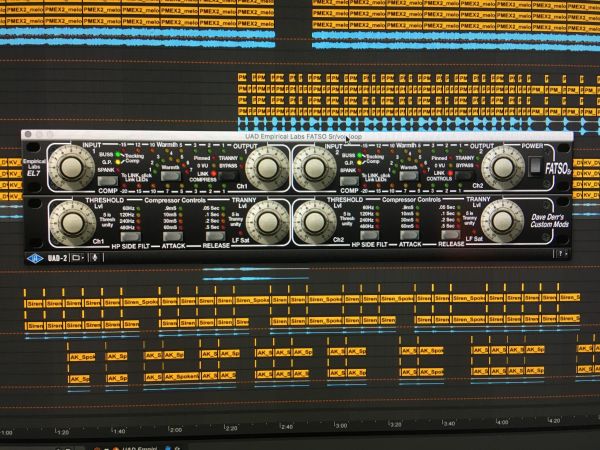
UAD’s Empirical Labs Fatso is my absolute favorite tape emulator for vocals or vocal effects. I used to run all kinds of complicated vocal compressors and level riders for my vocals, but once I found Fatso I just take any recorded or sampled vocals, add effect automation, run a simple EQ, and stick a Fatso on the group or mixdown bus. It always takes some settings work, but it never fails. I honestly can’t remember the last time I worked vocals without a Fatso.
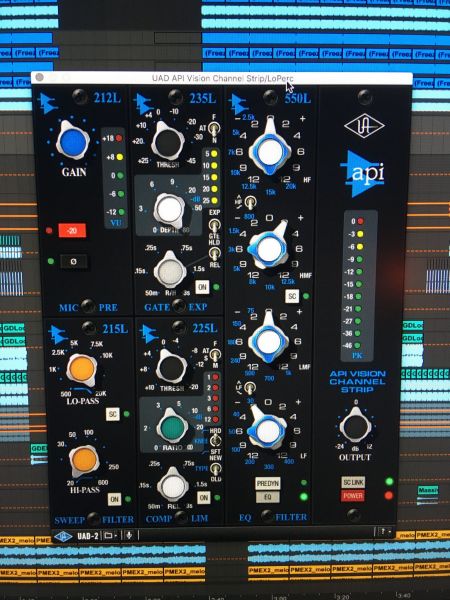
We’re going to switch gears here to the final mix and premaster. Each mixdown I make has 6-7 (usually 6) mix busses. A typical setup is one for kicks and subs, one for midbass or acid, one for low percussion like snares, one for high percussion like hats, one for leads, and one for auxiliary synths like pads or vocals or FX sound design. In the original arrangement, I place an API Vision Channel on each mix bus. On the kick and bass, I’m just working compression, and on the rest of the tracks, I am just working EP. This emulates running all my mix busses through an API mixing desk. A real, original API desk is hard to find for under 100k dollars. This isn’t all of one, but it’s as close as I could get to the desk I learned how to mix on in engineering school at Arlyn Studios (Sublime and Butthole Surfers’ go-to studio in Austin).
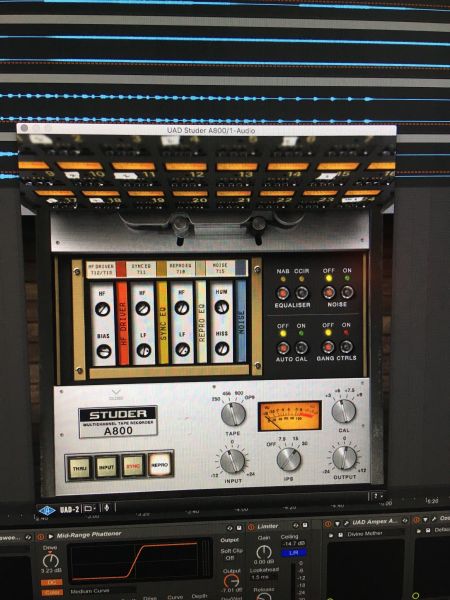
Since my Sattelite’s DSP allotment is always used up by the time I finish a track, I must bounce my mix busses to a new session for the demo master/ premaster. I turn off my API Channel strips because I will pull them up again in the premaster session. Once I have 6 tracks in a new session, I place a Studer A800 tape emulator on each track. This emulates recording each one of my busses to tape for mixing in the studio. The sound difference is incomparable and inexplicable. You must reference for yourself. After the Studer I place my API Channel strips set to the same settings as the arrangement session then I make any needed changes to all the settings.
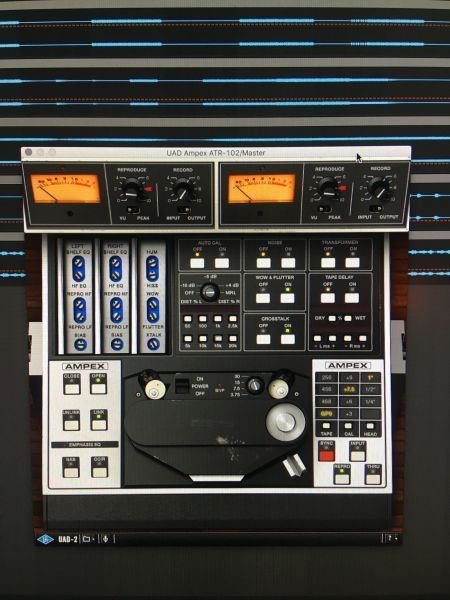
My premaster rack on the master track is a bit complicated. It entails Ozone and a midrange saturation rack I designed myself, but one of the most important components is my Ampex ATR-102 master tape emulator. It truly helps me round out my sound into the final product. I also have a few limiters after the Ampex, but I turn them off when I send the track out to final master.
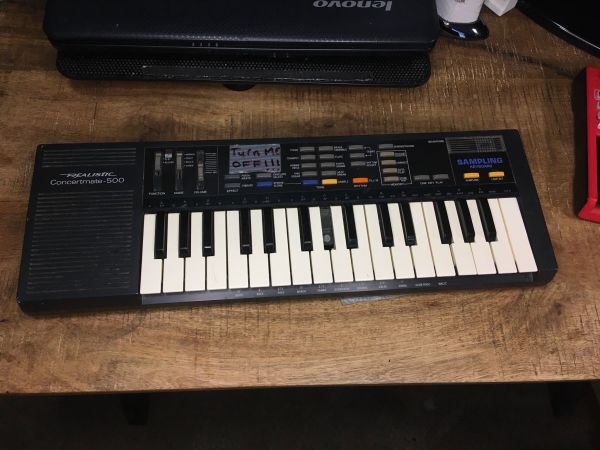
Those are some of my key elements when it comes to mixing down my sounds, but there are a few other physical pieces in my studio that have helped a lot through the years. This Realistic Concertmate-500 is my second instrument and first-ever synth. My parents gave it to me when I was 4 years old. It runs on batteries or ac adapters. The sounds are a bit rough but can be great when playing with ideas or digging out odd lo-fi elements. The sampler feature on it is awesome as well. You can record anything into it for a few seconds and play it back on the keyboard. Although I don’t use it all the time it has a serious place in my heart.
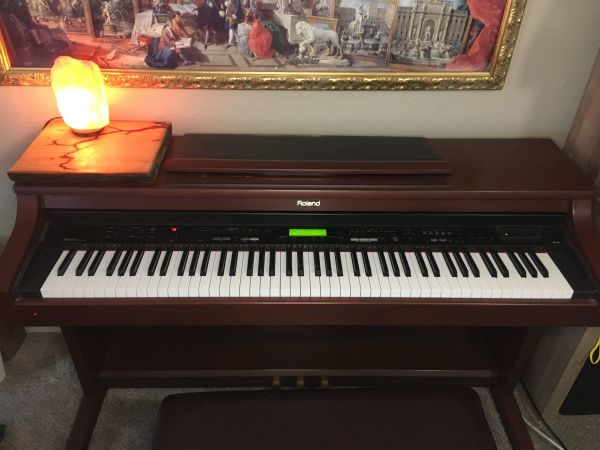
My Roland KR-375 was gifted to my family by my grandmother when I was in high school, and I inherited it when my mother passed last year. I used its sequencer to make my first gangsta rap beats when I was about 16 years old- my first productions. The floppy disks those files were saved on were stolen from my storage in California, but this digital piano will always be a piece of me. It’s great for playing with ideas in the studio and has some cool sounds to track as well. I hope to one day find time to learn how to sight-read piano pieces on it.
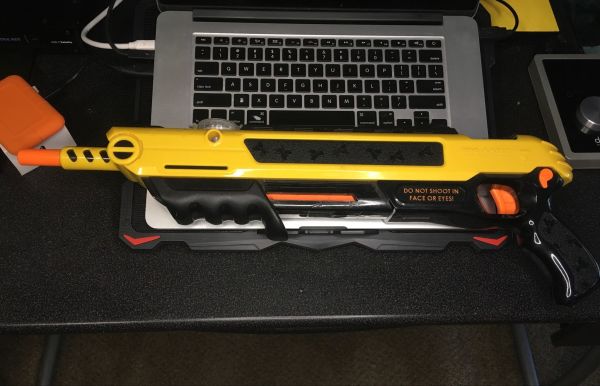
This is my Bug-A-Salt gun. My studio is currently in Texas, and this has become crucial for keeping me sane from the flies and mosquitos here . I absolutely can’t wait to make my move to Europe soon!!