As more genres continue to gain traction in electronic music and across the communities that make it, wildly different styles and influences are combined in a constant hunt for fresh, new, and original sounds. While the genre of Downtempo Music is far from “New,” many artists and producers have been actively pushing the sound forward over the last ten years to a point where it is almost unrecognizable from its original iterations.
What started as a niche movement and musical genre in Bristol in the 90s has soon evolved into a deep and diverse genre of music that spans the globe and all its influences.
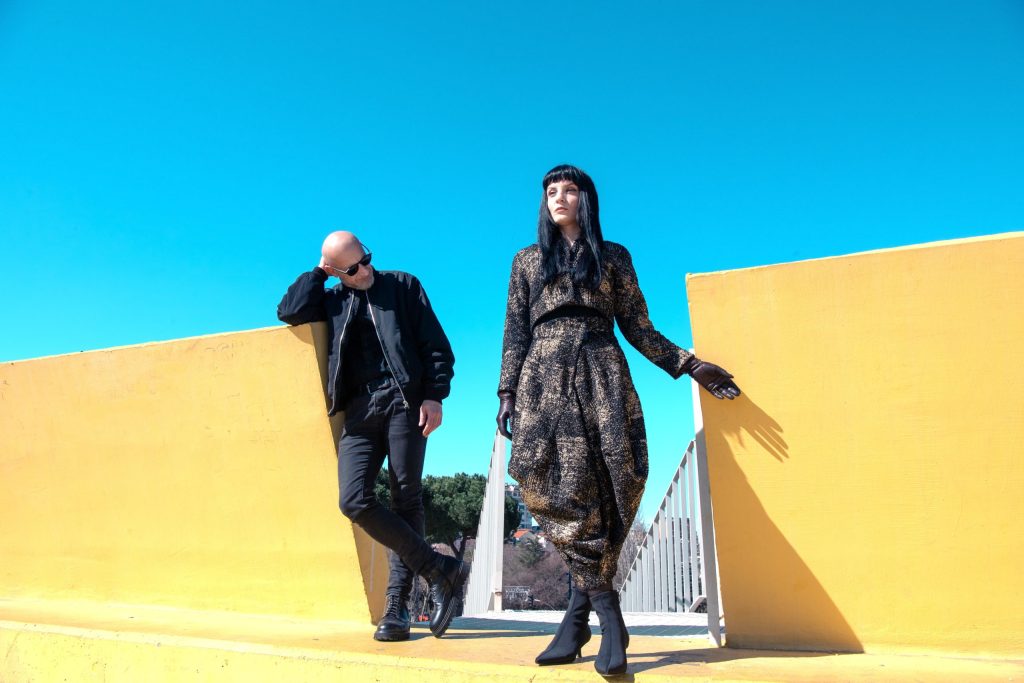
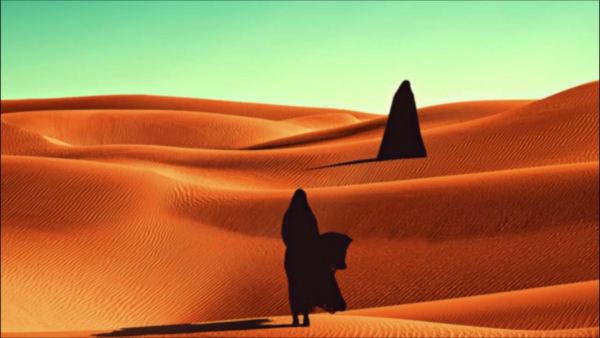
Even as little as five years ago, only artists on the scale of Bonobo and Boards of Canada were seen as the only real movers and shakers of the genre. Now there are labels, such as Cafe De Anatolia, and artist collectives, like Gobi Desert Collective, defining the sounds of Downtempo music in the modern era.
So let’s cut through the noise, break down the genre, and talk about its influences so that you know what Downtempo Music is, its defining qualities, and the best places to find new tracks.
What Is Downtempo Music?
Downtempo is a subgenre of electronic music characterized by its atmospheric sound and slower beats. It is closely related to ambient music but emphasizes rhythm more than its more beatless ambient counterparts. The style is perfect for creating a soothing atmosphere, making it ideal for unwinding after a long day or creating a relaxed ambiance during a yoga or meditation session. This diversity in sound and function has made the genre as popular as it is today.
Locking down exactly what downtempo music is can be tricky, as downtempo encompasses several sub-genres, including trip-hop, ambient house, chillwave, psybient, and lo-fi hip-hop. Each sub-genre brings its unique flavor to the Downtempo genre. Trip hop, for example, is known for using sampled instruments, while synthesizers, 4×4 beats, and more dance-friendly arrangements characterize ambient house. Even the tempo of the genre can be hard to quantify, but most of the tracks being released are within a 90 – 110 BPM range, with some styles and subgenres going as low as 60-90bpm.
Many talented artists in the Downtempo genre exist, including Gobi Desert Collective (linked below), Boards of Canada, Nicolas Jaar, and Bonobo. Boards of Canada is famous for its unique use of field recordings, while Nicolas Jaar is known for his experimental approach to music production. On the other hand, Bonobo is famous for blending different musical genres to create a truly unique sound.
Downtempo is the perfect genre for those who want to unwind and relax or for those who arrive at the club early to see the night from open to close.
History Of Downtempo Music

Downtempo is a genre of electronic music that emerged from the Bristol sound of the late 1980s, a fusion of hip-hop and electronic music known as “trip-hop”. Chillout rooms at clubs and electronic music events significantly promoted the genre throughout the 1990s. Nightmares on Wax, a UK act, helped pioneer downtempo electronica in the early 1990s, drawing on dub reggae and hip-hop. DJs and promoters in Ibiza also played a role in developing downtempo music by bringing down the vibe with slower rhythms and gentler electronic music toward the sunrise.
In the late 1990s, Kruder & Dorfmeister, an Austrian duo, popularized downtempo music with their remixes of pop, hip-hop, and drum and bass tracks. Fila Brazillia, a British duo, also contributed to the genre by releasing downtempo, electronica, and ambient techno albums. Meanwhile, Thievery Corporation, a duo from Washington, D.C., introduced Brazilian sounds into the style after being inspired by the music of Antonio Carlos Jobim, and combining elements of Jamaican dub and reggae.
“Downtempo pop” emerged in the 2000s, characterized by mellow beats, vintage synthesizers, and lo-fi melodies. This subgenre encompasses chillwave, lo-fi, and hypnagogic pop. In the latter part of the decade, “lo-fi hip hop” or “chillhop” gained popularity among YouTube music streamers, marking another form of downtempo music. The development of downtempo music illustrates how electronic music continues to evolve and adapt, blending different genres and sounds to create unique and innovative styles.
Main Qualities Of Downtempo Music

And while downtempo music can be hard to define in its entirety, breaking down the genre into a few commonly-seen features, qualities, and styles can help you recognize downtempo when you hear it and b better communicate about it to your friends and potential fans of the genre. Here are the five most common
- Slow tempo: Downtempo music is characterized by its slow tempo, usually between 90-110 beats per minute (BPM). This slower pace creates a relaxed and laid-back feel often associated with the genre.
- Minimalism: Downtempo music tends to be minimalistic, focusing on atmospheric textures and simple melodies to help carry the track’s progression as much as the music itself. This minimalist approach allows the music to be meditative and reflective, inviting the listener to slow down and reflect.
- World, jazz, or soulful influences: Many downtempo tracks incorporate elements of world music and soul, such as live instruments, jazz vocal samples, and middle-eastern influenced chord progressions and sound selections. These influences add a human touch to the music, creating a warm and organic feel.
- Electronica and/or trip-hop influences: Downtempo music also draws from electronic and trip-hop music, using electronic beats, samples, and production techniques. These influences give the music a modern edge, often creating a hypnotic and immersive sonic experience while still being very texturally dense and analog-sounding.
- Emphasis on mood and atmosphere: Finally, downtempo music often focuses on creating a mood or atmosphere, whether reflective, sad, or dreamy. This emphasis on mood and atmosphere allows the listener to escape into the music and create their emotional narrative.
What’re The Differences Between Downtempo and Trip Hop?
Downtempo and trip-hop are two closely related genres of music that emerged in the 1990s, with downtempo being more atmospheric and chilled out. In contrast, trip-hop is more beat-driven and incorporates elements of hip-hop. As one user on the Rate Your Music forum explains,
“Downtempo is the more ambient version of trip-hop, incorporating elements of jazz, soul, and electronica with a focus on creating a relaxing atmosphere, whereas trip-hop is more beat-driven and emphasizes the hip-hop influence with more soul/r&b type singing.”
Another user expands on this by pointing out that:
“Downtempo tends to be more focused on creating a particular mood or atmosphere through soundscapes, while trip-hop focuses on groove and rhythm. Additionally, downtempo tends to feature more instrumental tracks, while trip-hop is likelier to incorporate vocals, particularly from female singers.”
This emphasis on vocals in trip-hop is often seen as one of the genre’s defining features. Artists like Massive Attack and Portishead use soulful, often haunting vocals to add an emotional depth to their music.
Overall, while there is certainly overlap between the two genres, downtempo and trip-hop can be seen as distinct sub-genres of electronic music. Downtempo is characterized by its focus on atmosphere and texture, emphasizing creating a relaxed, reflective mood. On the other hand, Trip-hop is more beat-driven, emphasizing groove and rhythm, and incorporates elements of hip-hop and soul. However, both genres share a common ancestry in the electronic music of the 1990s, and both continue to be popular among fans of chilled-out, experimental music.
Where To Find Good Downtempo Music
Luckily, the genre’s popularity means there is no shortage of notable curators and platforms collecting and sharing quality downtempo songs and mixes. And if you have hit a wall in your search for new styles and sounds in the genre, here are a few recommendations for places to turn when hunting down fresh new tracks.
Gobi Desert Collective Mixes
Being a modern pioneer in the genre, GDC is constantly putting together masterfully-curated mixes of the best sounds in the downtempo genre. We have their downtempo ethnic house mixes on almost constantly here in the studio, and I highly recommend you check them out as well.
Cafe De Anatolia
While this genre-defining label often sits more in the realm of organic house, many of the artists they support on the label curate some of the best downtempo elements in their mixes. Their mix with i.am.Nãda is a perfect example of the spiritual and healing power that downtempo music can offer and is a true showcase of the genre’s potential. The fact that it amassed three and a half million views in the first few months it was uploaded means that we are not alone in thinking this either…
Bonobo’s Outlier Radio
Bonobo is one of the most well-recognized tastemakers and producers of the downtempo genre. His radio show and accompanying Spotify playlist is always fantastic resource for finding cutting-edge music in the genre. Give this playlist a like and check it weekly for excellent new downtempo cuts.
Armen Miran
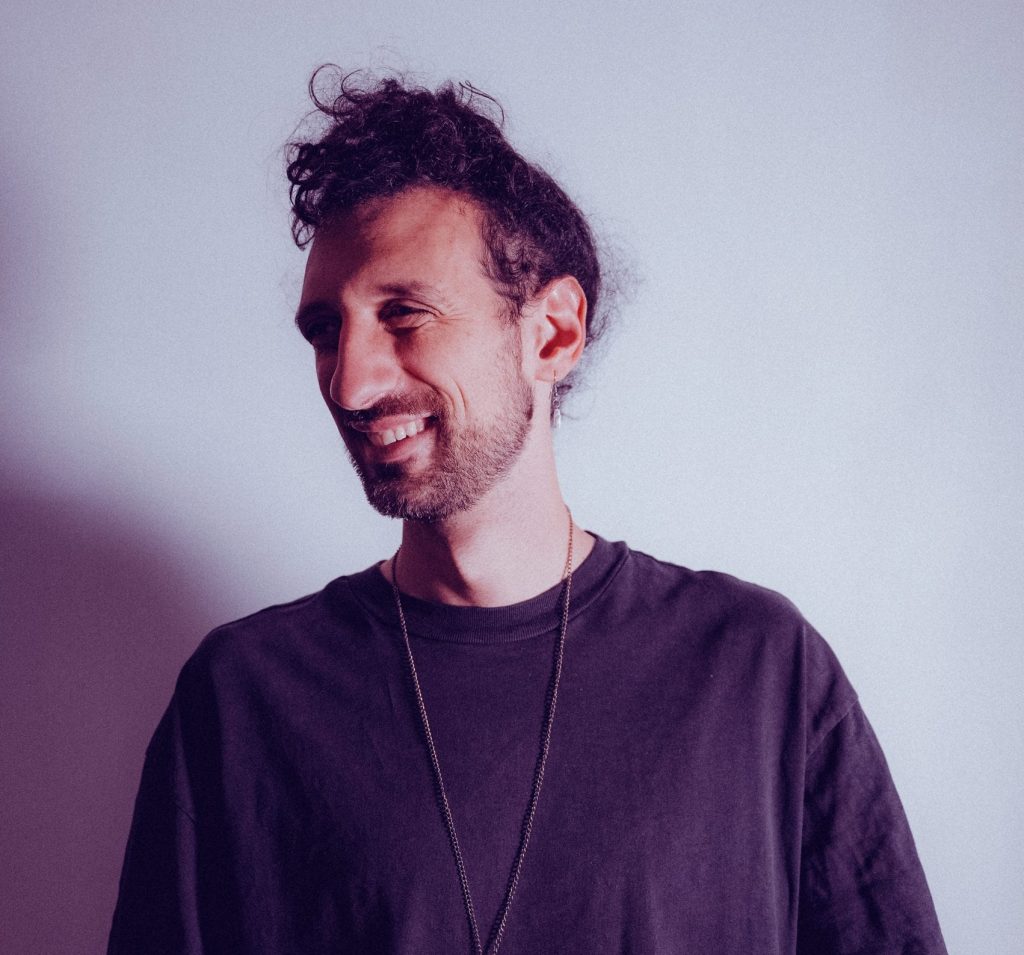
Miran’s music is characterized by its use of traditional Middle Eastern and Armenian instruments, such as the duduk and the oud, and his ability to blend these sounds with modern electronic beats and rhythms seamlessly. His tracks often have a hypnotic and meditative quality and are designed to take listeners through different emotions and moods.
In addition to his work as a producer and DJ, Armen Miran is also a co-founder of the record label Hoomidaas, which promotes underground electronic music worldwide.
Hraach
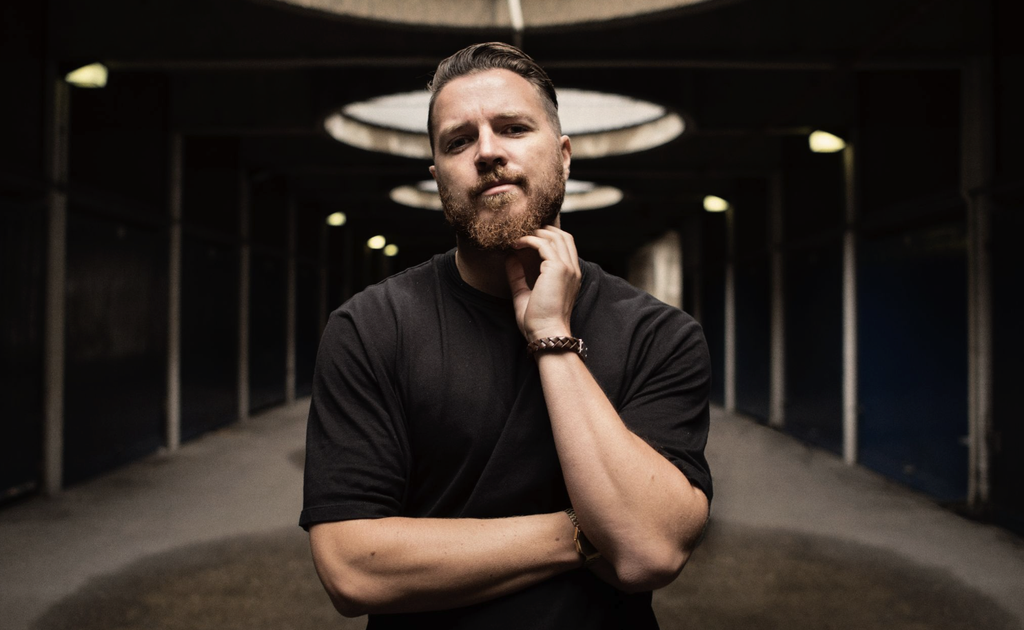
Hraach’s music has been featured in sets by some of the world’s top DJs, including Solomun and Hernan Cattaneo, and he has performed at major festivals and venues worldwide. He also co-founded the record label Hoomidaas, which he started with fellow Armenian producer Armen Miran.
In addition to his work as a producer and DJ, Hraach is also known for his remixes, which often transform old Armenian folk songs and melodies into modern electronic tracks. His remix of “Dle Yaman” is considered a classic in the electronic music world, and has been played by DJs at clubs and festivals worldwide.
Satori
Satori’s music is characterized by its use of live instruments, such as the violin, trumpet, and piano, as well as traditional world music instruments like the kora, sitar, and kalimba. He often collaborates with other musicians and vocalists, blending their performances into his tracks to create a unique and eclectic sound.
In addition to his work as a producer, Satori is also a live performer, and his shows are known for their improvisational nature and use of live instruments. He has performed at major festivals and venues worldwide, including Burning Man, Amsterdam Dance Event, and Coachella.
Be Svendsen
Be Svendsen’s music is characterized by its use of acoustic instruments, such as the guitar, accordion, and flute, as well as electronic beats and ambient textures. His tracks often have a dreamy, hypnotic quality and are designed to create a sense of timelessness and transcendence.
Be Svendsen’s music has been praised for its ability to transcend borders and genres and for its ability to create a sense of unity and connection among listeners. He is considered one of the most innovative and exciting electronic music producers to emerge from Denmark in recent years.

Magnetic byline note: This byline is used for staff produced updates and short announcements, often based on press materials and official release information. Editorial responsibility: David Ireland (Editor in Chief) and Will Vance (Managing Editor). About: https://magneticmag.com/about/ Masthead: https://magneticmag.com/masthead/ Contact: https://magneticmag.com/contact/