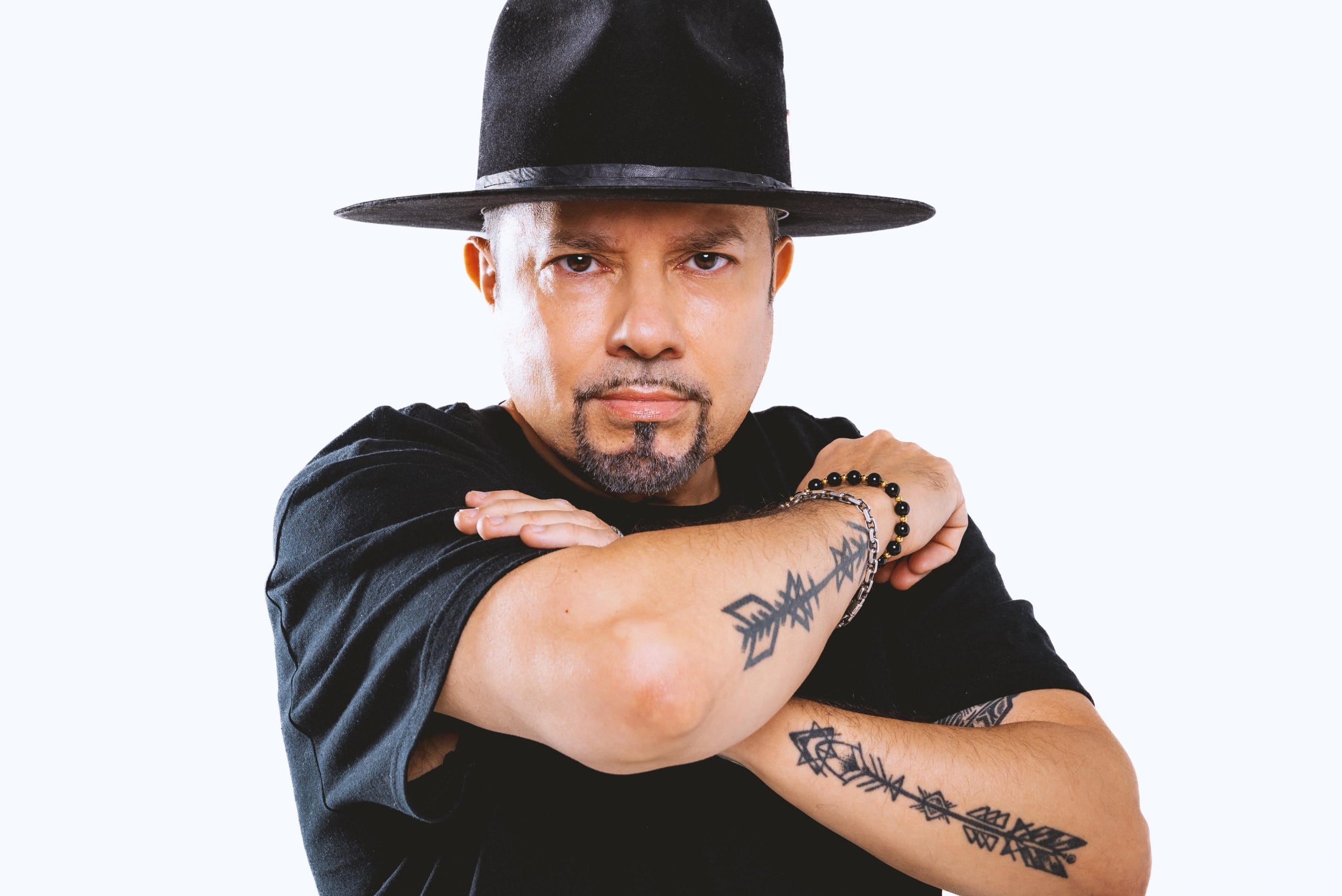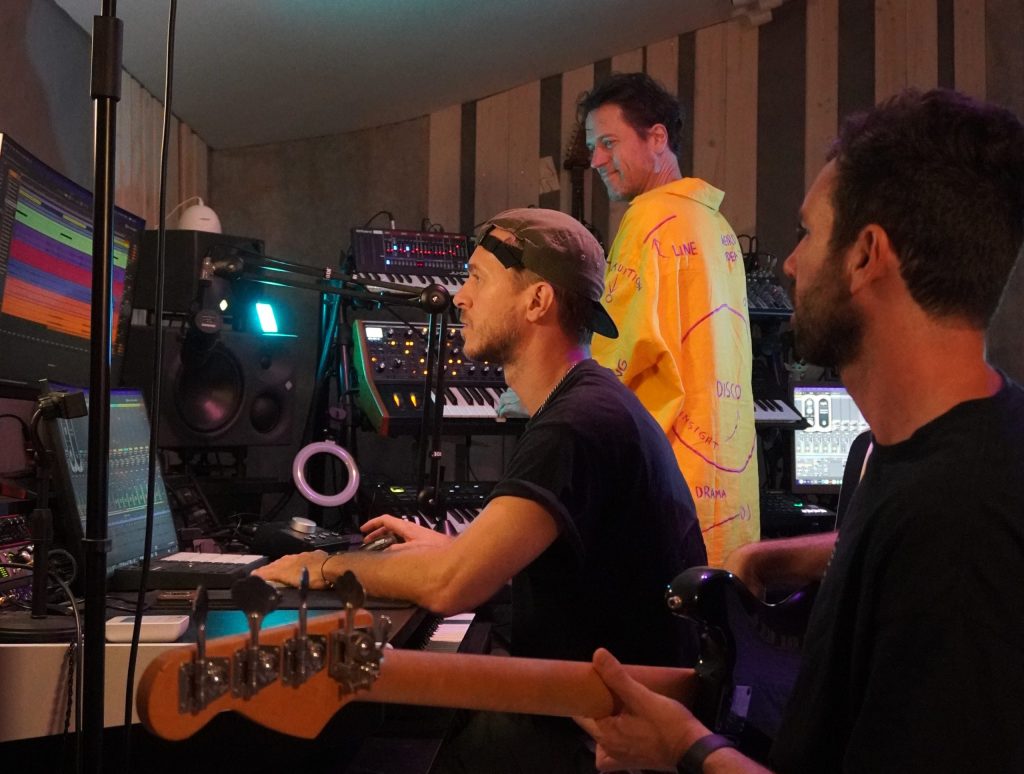
DAVI needs a few tools to make infection and dance-friendly tunes that have landed him credits on top labels such as All Day I Dream and Damian Lazarus’ label Crosstown Rebels. He uses just a few synths, Ableton stock plugins, and other necessities.
One of these synths is the Digitone by Elektron, a company known for making groove boxes, drum machines, and synths with limitless possibilities… at least once, you learn its ecosystem’s unique workflow, language, and functionality.
Snag Premium House Music Samples Without Breaking The Bank With Our Massive Curated List Of Warm, Punchy Sounds From Across The Internet. Click Here To Get 4k+ Free Sounds and Samples
So, to celebrate his upcoming release on Crosstown Rebels, which you can pre-save here, we brought DAVI on to show us how he started using the Digitone, how to get the most out of it, and why he loves to use it in all of his productions.
Why is the Digitone an essential part of your productions and workflow
When working on a new idea, I like to work with presets because when creativity is flowing the faster I transfer what I hear into the DAW, the better outcome. It’s like picking up an instrument and starting to play chords instead of tweaking knobs or getting lost in sound design.
I think just because of this, Digitone is fantastic for me. The presets are so satisfying.
I find almost every sound from it, and it works excellent for club dance tracks. When I first purchased it, I had no idea what to expect from it, and considering this was my first Elektron instrument, I was a bit hesitant at first because I had heard from my producer friends that it takes a little time to get used to how it works.
It’s not the most user-friendly synth I have owned. It took me a few days to start liking it and figuring out how to operate it. I still haven’t dug deep enough into it as I should.
Looking for the best drum samples? Dive into ‘The Ultimate Library of Free Drum Samples: 7k+ Percussions and Drum Loops for Every Genre’ – access your free sounds here.
What can the Digitone do that no other synth or drum machine can?

All my synths in my studio are quite different from one another.
It’s not so much what Digitone can do that my other synths can’t. The sounds with the box are very different from my other synths, which was the main reason for going with Digitone.
Sometimes I feel like it’s a sample machine because of how I use it, but it’s an actual FM synth. You have chords, pads, bass, and even percussion. You can make an entire track from this synth and not feel like you need anything else.
I have the keyboardless (desktop) version, which is very portable. You can travel easily and make music anywhere by plugging it in with a USB to your laptop.
Also, playing on the little MIDI keys on Digitone is so much fun. The clicking sound is very satisfying.
Looking to master plate reverb in production? Explore ‘How Producers Should Be Using Plate Reverb for Space, Modulation, and That Pro-Grade Polish’ – elevate your sound here. ️ ️ ️
Which parameters on the Digitone are most inspiring to automate?
Usually, when I find a sound or preset that I like, I start messing around with all A, B, C, and D parameters just to see what I can get out of the single sound.
Once I find something satisfying, I record that into audio, then open a new duplicate channel on Ableton and start re-recording the same sound. However, this time I play around with automation of A, B, C, and D parameters as I record.
This helps to get some accent sounds that can be chopped up once recorded into audio and then used as fillers to accompany the main layer. This is great when I am arranging the track, as you have all these fillers and accents that make your loops more exciting and less repetitive.
Share something about the Digitone that you wish you learned earlier.

I am still learning as I go.
I think there is much more to get to this winter, as it’s usually the best time to take things a little easy and have the time to play around with studio toys.
At first, I was using it as a regular FM synth—just layering synths and instruments. After a month or so of owning it I found a few videos online showing the possibilities of this little beast. My whole perception of the synth changed regarding how it can be used. Instead of playing it on a MIDI keyboard as an instrument, I grabbed certain tones and samples by recording it and playing with audio afterward.
As much as I love MIDI, I enjoy working with audio files more as what you can do with it once it’s recorded is somewhat impossible when it’s in MIDI form. I apply all my effects once I have the .Wav file and the amount of emulation you can do with it is endless.
Looking to excel in musical collaborations? Gain insights from ‘5 Lessons in Musical Collaboration: Biesmans Shares What He Learned While Making the Watergate 28 Compilation’ – collaborate smarter here.
What effects and plugins sound best on the Digitone for mixing?

Well, most of my effects are being used straight from Ableton’s stock plugins and I love them as they don’t take too much CPU.
Except maybe 4 or 5 that I use daily. I have an h3000 Harmonizer by Eventide Audio that works well on dry sounds. I can do so much with this Harmonizer that at the end, after applying a few effects, it almost sounds nothing like the original.
Sometimes, I create rhythmic grooves from a basic synth preset with it. This is also something new that I learned recently, around the same time I got the Digitone. My other go-to effects are Vintage Reverb, which is fantastic and popular among producers, and Blackhole by Eventide.
I also love using Soundtoys Echoboy for Delays.
Interested in Hyperbits’ unique approach? Explore ‘Tuning into Authenticity: Hyperbits Talks Production, Teaching, and ‘Another Life” – uncover his insights here.
Learn more about Digitone and help support Magnetic by clicking this link here.

Will Vance is a professional music producer who has been involved in the industry for the better part of a decade and has been the managing editor at Magnetic Magazine since mid-2022. In that time period, he has published thousands of articles on music production, industry think pieces and educational articles about the music industry. Over the last decade as a professional music producer, Will Vance has also ran multiple successful and highly respected record labels in the industry, including Where The Heart Is Records as well as having launched a new label with a focus on community through Magnetic Magazine. When not running these labels or producing his own music, Vance is likely writing for other top industry sites like Waves or the Hyperbits Masterclass or working on his upcoming book on mindfulness in music production. On the rare chance he's not thinking about music production, he's probably running a game of Dungeons and Dragons with his friends which he has been the dungeon master for for many years.