The fact of the matter is, that most music producers all have access to the same tools. They can buy the same synths, learn the same hardware, and use the same production tricks.
For those brave enough to try, singing on your tracks can add a level of nuance and individuality impossible for any other producer to replicate.
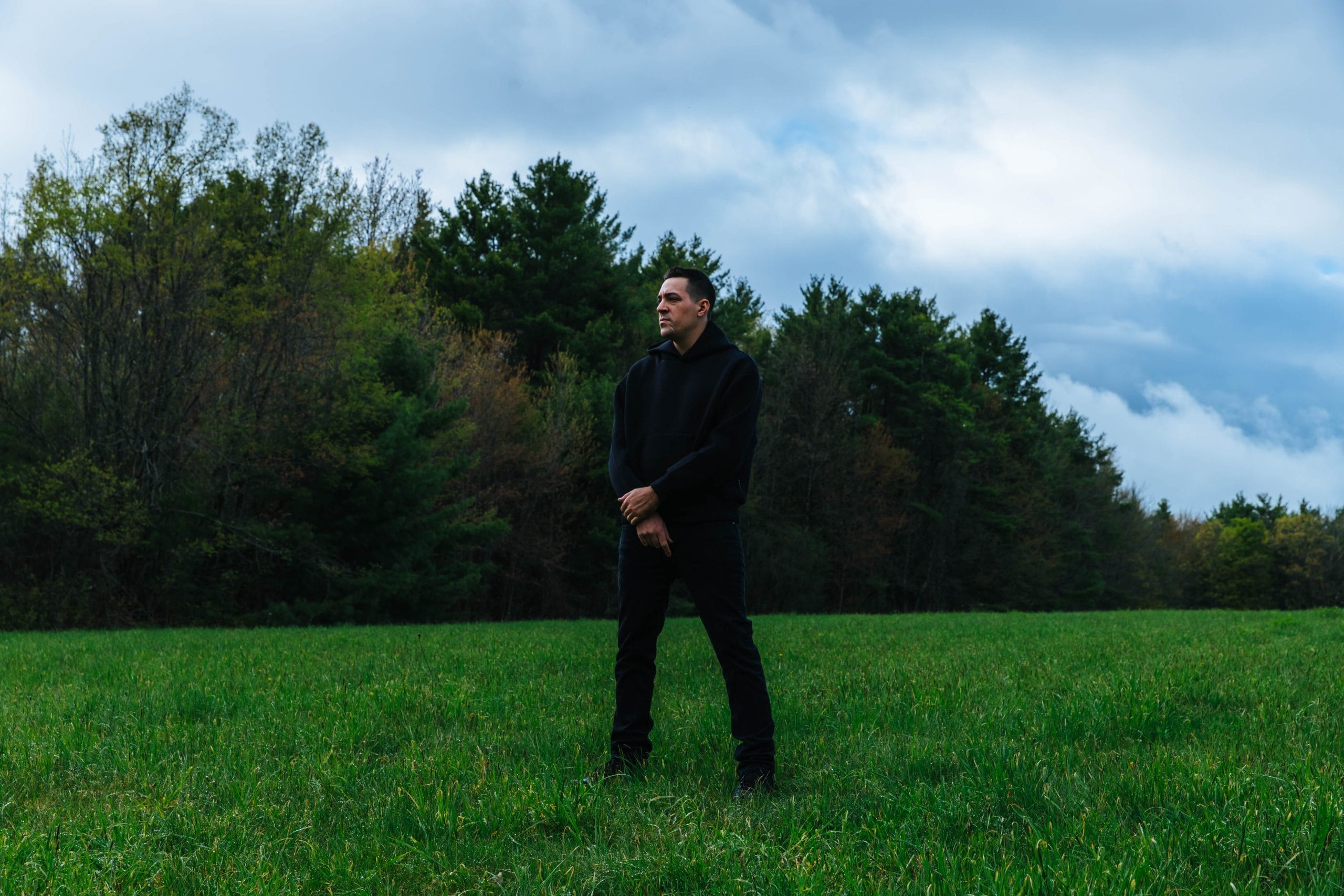
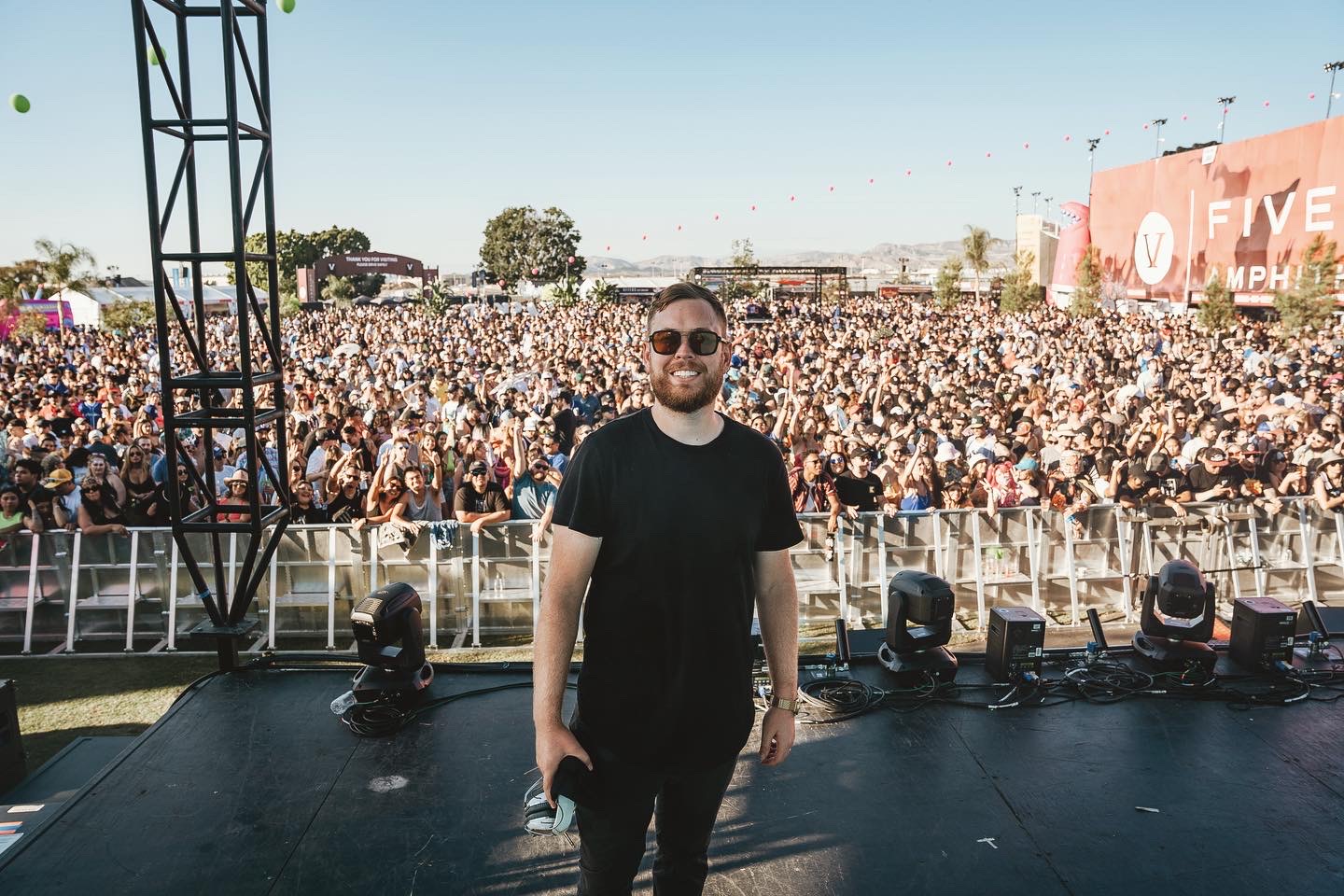
Take Lipless, for example, whose latest single on Colorize is a masterclass in using your voice to make a phenomenal track that stands out from the sea of noise released daily. So, let’s find out how he makes it all happen…
Stream Lipless’ New Single Below
Before we dive into how artists like Lipless use their voices to make fantastic music, it’s important to understand the emotional weight and potential of doing so.
The production is spot on and well worthy of the acclaim it’s received, but imagine the track below if the vocals were removed.
By going the extra mile and including his own vocals and songwriting acumen over the top, Lipless created a truly amazing single that stands out, even from the rest of the incredible catalog of music Colorize has released.
Interested in innovative vocal manipulation? Explore ‘Best Plugins for Vocal Manipulation: Factor Eight Shares Their Favorite Creative Tools’ – transform your vocals here. ️
Why would a music producer want to include their vocals on a track?
I think there are a few different answers for this, but I think it’s because it brings something different to the table.
It’s always been easiest to make a track around a vocal sample or a top line that someone else sings on, but there is something about producers who also implement their own vocals on a song that makes things feel very authentic and artistic.
I think Calvin Harris is a great example of that.
What is the hardest thing about singing on your first record?
I think the hardest thing about that is believing you’re good enough. We musicians are incredibly good at self-doubt and having irrational fears of rejection.
I remember when the first track with my vocals was released, I scoured through social media to see what people were saying about the vocal, people didn’t even know it was my vocal at that point, so their opinions would have been unbiased.
Luckily I didn’t find anything discouraging and I’ve become more and more confident with every release. I’m not.
Looking to feature your vocals on a dance track? Discover ‘LAU.RA Shares Her Tips on Landing a Featured Vocal on a Dance Track’ – find your voice here.
How did you come up with the lyrics for the first song you sang on?
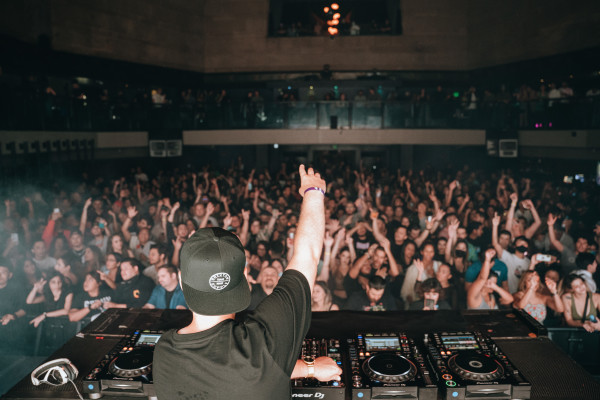
The very first song that I used my own vocal was ‘Lips’.
That track was very much Zhu-inspired, and I wanted to write something very intimate and sexy that worked over a dark, deep bass line-driven production.
The theme ‘Lips’ came to mind and felt easy to write something intimate around. It was very different from my current style and vibe, which is a more laid-back and indie feel.
Where do you go to learn more about improving your vocal production?
I’m not one to take professional lessons or sit and watch tutorials, so mostly I listen to other artists who inspire me and my vocal style and try to deconstruct what they do.
I have also been lucky enough to work around Kaskade and some other excellent producers, writers, and vocal engineers and pay close attention to what they are doing in the studio. I’m talking about guys 10-20 years my senior and have decades of experience.
I’ve been able to learn from the best. I’m not the best singer, but I know my way around a DAW and a studio well enough to make myself sound half-decent.
Want to pen unforgettable vocal hooks? Learn from ‘How to Write Catchy Vocals: Brando Shares His Secrets to Writing Hooks That Stay with You’ – Learn More Here ✍️
Which plugins are your favorite to use on vocals?

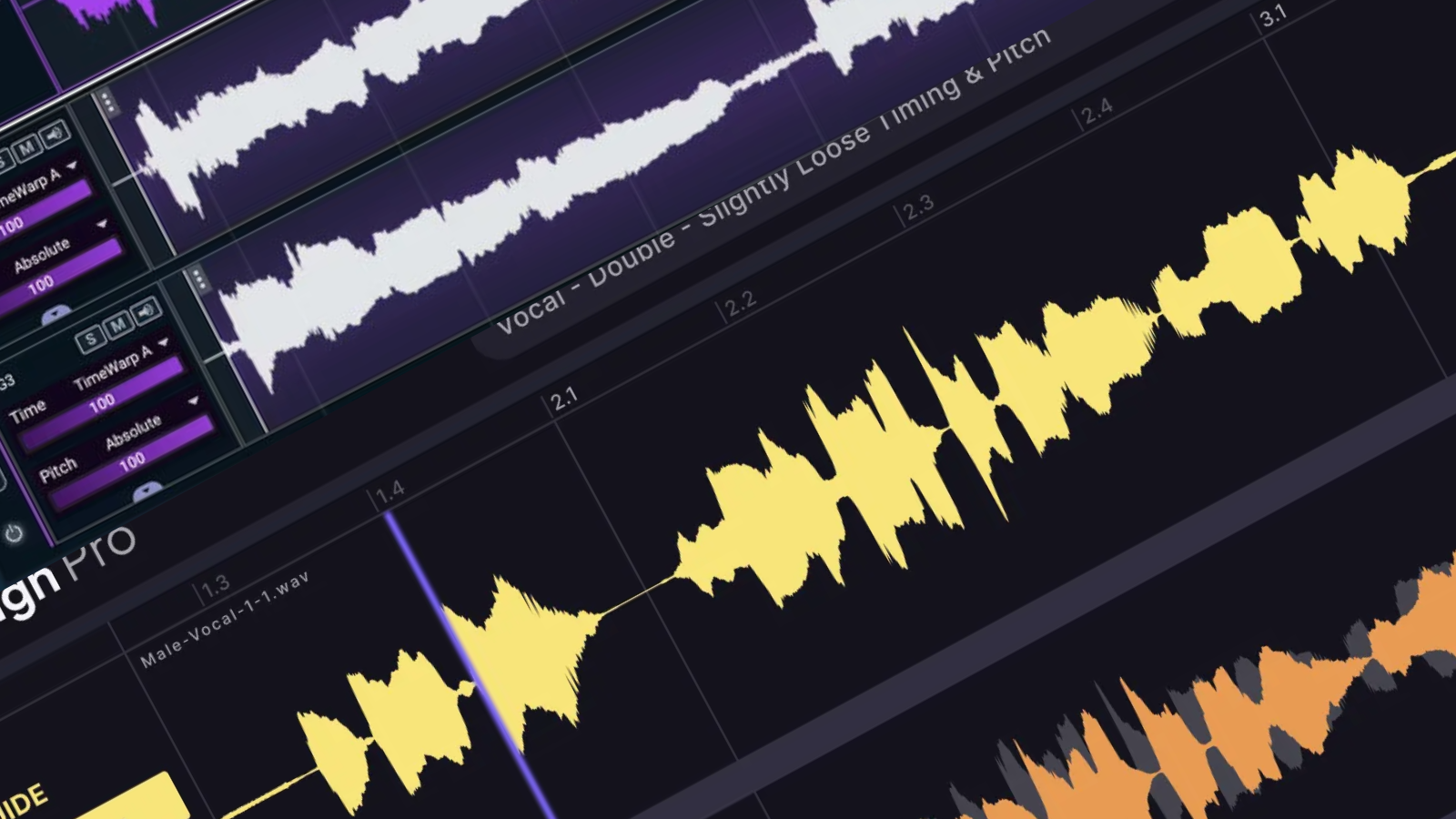
Well for the way I treat my own vocals, my go-to plugins are Melodyne (for tuning), Fabfilter ProQ 3 (Dynamic EQ), Fabfilter ProC 2 (Compressor), Soundtoys Echoboy (Delay), Soundtoys Decapitator (Saturation), Kush Audio Clariphonc (for some nice clarity and air) and a variation of the Valhalla reverb plugins.
Those are usually my go-to, but I like to switch them up.
Need Free Alternatives For Producing Vocals? We Got You
What lessons has singing taught you about music production?
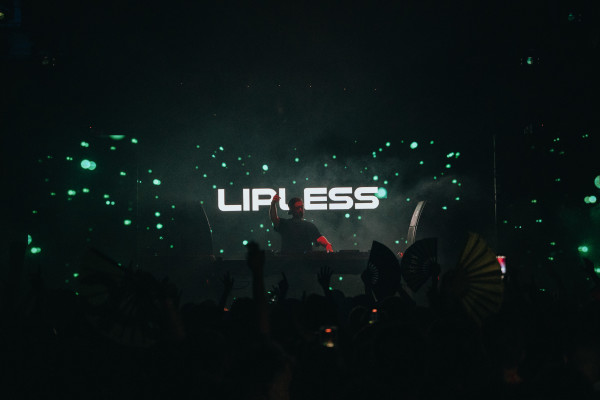
Less is More! I know it sounds cliche, but it’s the truth. It’s taken me several years to understand this properly but I get it now.
At first, I would just over-process everything and then try to fit an already busy vocal over an overly busy music production. It taught me how to be ok with stripping things back and taking out entirely unnecessary elements.
Vocals work so much better when they have room to breathe.
And that even transcends into songs that don’t have any vocals. Pick your main elements and let them have space to breathe. Let the listener grab on to just a few key elements and don’t overwhelm them with too many sounds all fighting for attention. The same goes for mixing.

Will Vance is a professional music producer who has been involved in the industry for the better part of a decade and has been the managing editor at Magnetic Magazine since mid-2022. In that time period, he has published thousands of articles on music production, industry think pieces and educational articles about the music industry. Over the last decade as a professional music producer, Will Vance has also ran multiple successful and highly respected record labels in the industry, including Where The Heart Is Records as well as having launched a new label with a focus on community through Magnetic Magazine. When not running these labels or producing his own music, Vance is likely writing for other top industry sites like Waves or the Hyperbits Masterclass or working on his upcoming book on mindfulness in music production. On the rare chance he's not thinking about music production, he's probably running a game of Dungeons and Dragons with his friends which he has been the dungeon master for for many years.